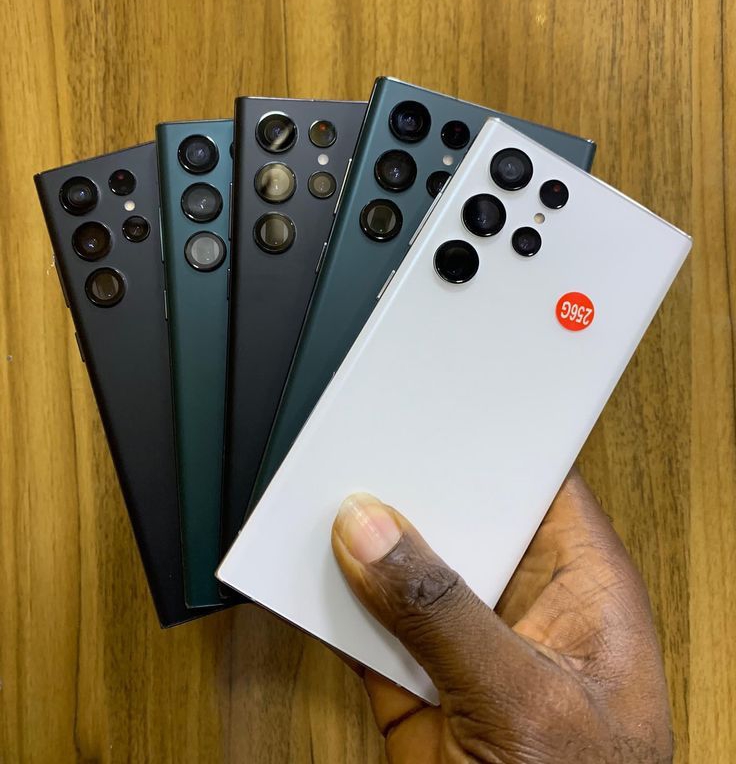
Have you ever looked at the back of your Samsung phone or its box and wondered where it was made? Many people assume every Samsung phone is manufactured in South Korea because Samsung is a South Korean company. However, that’s not the case.
Today, Samsung manufactures its smartphones in several countries around the world. The production location often depends on the phone model, the region where it will be sold, and Samsung’s global manufacturing strategy.
In this complete 2026 guide, you’ll learn where Samsung phones are made, why Samsung uses multiple factories, and whether the country of manufacture affects quality.
Which Country Makes Samsung Phones?
Although Samsung was founded in South Korea, the company assembles its smartphones in multiple countries worldwide. Its major manufacturing locations include:
- Vietnam
- India
- South Korea
- Brazil
- Indonesia
- Egypt
Each factory follows Samsung’s strict production and quality standards, so the manufacturing location does not determine whether a phone is genuine or of higher quality.
1. Vietnam: Samsung’s Largest Manufacturing Hub
Vietnam is Samsung’s biggest smartphone manufacturing center.
A large percentage of Samsung Galaxy phones sold worldwide are assembled in Vietnam. The company operates several large factories there that produce smartphones, tablets, and wearable devices for global markets.
Many flagship Galaxy S series, Galaxy A series, and Galaxy Z series phones are manufactured in Vietnam before being shipped to different countries.
2. India: A Major Production Center
India is Samsung’s second-largest smartphone manufacturing location.
Samsung’s massive factory in Noida is one of the world’s largest mobile phone manufacturing plants. It produces millions of devices every year for both the Indian market and exports to other countries.
Many Galaxy A, Galaxy M, and some Galaxy S models are assembled here.
3. South Korea: Home of Samsung
Samsung is headquartered in South Korea, and some premium smartphones are still manufactured there.
Besides producing certain high-end devices, South Korea is where much of Samsung’s smartphone research, development, engineering, and design take place.
4. Brazil
Samsung operates manufacturing facilities in Brazil mainly to supply the South American market.
Producing phones locally helps Samsung reduce import taxes and deliver devices to customers more quickly.
5. Indonesia
Samsung also assembles smartphones in Indonesia.
These factories mainly produce devices for Indonesia and nearby Southeast Asian markets while helping the company meet local manufacturing requirements.
6. Egypt
Samsung has expanded smartphone manufacturing into Egypt to better serve customers in Africa and the Middle East.
Local production helps improve product availability while supporting regional economic growth.
Also read: what samsung phones have wireless charging
Are Samsung Phones Made in China?
Most Samsung phones are not manufactured in Samsung-owned factories in China.
Samsung closed its last smartphone factory in China in 2019 after its market share declined. However, some entry-level models may still be produced through manufacturing partners (known as ODMs) for certain markets.
Does the Country of Manufacture Affect Quality?
No.
Whether your Samsung phone is made in Vietnam, India, South Korea, Brazil, or Indonesia, Samsung applies the same quality control standards across its factories.
The components, testing procedures, and assembly requirements are designed to meet the same global quality standards. What matters more is buying from an authorized retailer and ensuring the device is genuine.
How to Check Where Your Samsung Phone Was Made
You can usually find the manufacturing country by:
- Looking at the label on the retail box.
- Checking the sticker on the back of the phone (on some models).
- Going to Settings > About phone to view device information.
- Reading the “Made in” label printed near the IMEI number or SIM tray on certain models.
Also read: why is my phone camera blurry after update
Why Does Samsung Manufacture Phones in Different Countries?
Samsung spreads production across several countries for many reasons:
- To meet global demand.
- To reduce shipping costs.
- To avoid high import taxes.
- To speed up deliveries to regional markets.
- To reduce supply chain risks.
- To support local manufacturing policies.
This global manufacturing strategy allows Samsung to deliver millions of smartphones each year efficiently.
Conclusion
Samsung is a South Korean company, but its smartphones are manufactured in several countries around the world. Vietnam remains the company’s largest production hub, followed by India, while South Korea, Brazil, Indonesia, and Egypt also play important roles in manufacturing.
No matter where your Samsung phone is assembled, Samsung maintains consistent quality standards across its factories. As long as you purchase your device from a trusted seller, you can expect the same level of quality and performance regardless of where it was made.
Frequently Asked Questions (FAQs)
1. Are Samsung phones made only in South Korea?
No. While Samsung is a South Korean company, its smartphones are manufactured in several countries, including Vietnam, India, Brazil, Indonesia, and Egypt. The production location depends on the phone model and the market where it will be sold.
2. Which country manufactures the most Samsung phones?
Vietnam is Samsung’s largest smartphone manufacturing hub. Many Galaxy S, Galaxy A, and Galaxy Z series devices are assembled there before being shipped to customers around the world.
3. Does the country where a Samsung phone is made affect its quality?
No. Samsung follows the same quality control standards across all of its manufacturing facilities. Whether a phone is made in Vietnam, India, or another country, it must meet the company’s global production and testing requirements.
4. How can I check where my Samsung phone was manufactured?
You can check the country of manufacture by looking at the label on the phone’s retail box, checking the “Made in” information near the IMEI number or SIM tray on some models, or reviewing your device details in Settings > About phone.
5. Are Samsung phones still made in China?
Most Samsung smartphones are no longer produced in Samsung-owned factories in China. The company closed its last smartphone factory there in 2019, although some budget models may still be manufactured by third-party partners for specific markets.
6. Why does Samsung manufacture phones in different countries?
Samsung manufactures smartphones in multiple countries to meet global demand, reduce shipping costs, avoid high import taxes, improve delivery times, and strengthen its supply chain. This global approach helps the company supply millions of devices efficiently each year.