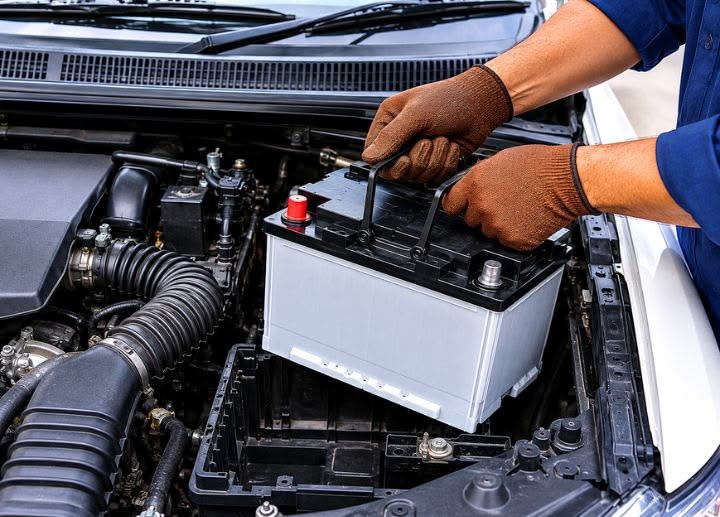
It can be frustrating when a brand-new car battery keeps losing charge sooner than expected. I experienced this myself after installing a new battery, but it still went flat after the car sat for a short time. At first, I thought the battery was defective, but after checking the charging system and a few other components, I discovered the real cause and fixed the problem. If you’re facing the same issue, this guide explains the most common reasons a new car battery drains so fast, the solutions that worked for me, and practical tips to help keep your battery charged and your car starting reliably.
Why Is My New Car Battery Draining So Fast?
Below are the most common reasons why a new car battery may drain faster than expected. In many cases, the battery itself is not the problem. Instead, the issue is often caused by your vehicle’s electrical system, charging system, driving habits, or accessories that continue using power even after the engine has been turned off:
1. Parasitic Battery Drain
One of the most common causes of a new car battery draining quickly is a parasitic battery drain. This happens when an electrical component continues to draw power after the engine has been switched off. While small amounts of power are needed for systems like the clock, alarm, and security features, a faulty light, stereo, control module, or other electrical accessory can consume far more power than normal. If this happens overnight or over several days, even a brand-new battery may become too weak to start your car.
2. Faulty Alternator
The alternator is responsible for recharging your battery while the engine is running. If it isn’t producing enough power, your new battery will gradually lose its charge instead of being replenished. Common signs of a faulty alternator include dim headlights, a battery warning light on the dashboard, electrical accessories behaving unusually, or difficulty starting the engine after driving.
3. Loose or Corroded Battery Connections
Even with a brand-new battery, loose battery terminals or corroded cable connections can prevent electricity from flowing properly. Poor connections may stop the battery from charging efficiently and can cause intermittent starting problems. Inspect the battery terminals to ensure they are clean, secure, and free from corrosion.
4. Leaving Electrical Accessories On
Leaving your headlights, interior lights, parking lights, USB chargers, dash camera, or other accessories on after turning off the engine can drain a new battery much faster than expected. Although many modern vehicles automatically switch off some accessories, not every model does. Always double-check that everything is turned off before leaving your vehicle.
5. Too Many Short Trips
Starting your car requires a significant amount of battery power. If you mainly drive short distances, the alternator may not have enough time to fully recharge the battery before the engine is switched off again. Over time, repeated short trips can leave even a new battery with a low charge, making it appear as though it is draining too quickly.
6. Extreme Hot or Cold Weather
Very high or very low temperatures can affect battery performance. Hot weather increases battery fluid evaporation and speeds up internal wear, while freezing temperatures reduce the battery’s ability to deliver enough power to start the engine. Although a new battery handles temperature changes better than an old one, extreme weather can still reduce its performance.
7. A Defective New Battery
Although uncommon, a new battery can sometimes have a manufacturing defect or become damaged during storage or transportation. If your battery continues to lose charge after the charging system and electrical components have been checked, the battery itself may be faulty. Most new batteries are covered by a warranty, so having it professionally tested is a good idea.
8. Faulty Starter Motor
A starter motor that is beginning to fail may draw more electrical current than normal every time you start the engine. This extra load places unnecessary strain on the battery and may cause it to discharge faster. If you hear clicking sounds, slow cranking, or experience difficulty starting the car, the starter motor should be inspected.
9. Aftermarket Electrical Accessories
Installing accessories such as powerful sound systems, additional lighting, GPS trackers, remote starters, or security systems can increase your vehicle’s power consumption. If these accessories are wired incorrectly or continue drawing power after the engine is off, they can quickly drain a new battery. Proper installation helps prevent unnecessary battery drain.
How to Fix a New Car Battery That Drains So Fast
If your new car battery keeps going flat, don’t replace it immediately. In many cases, the battery is working properly, and the real problem lies with your vehicle’s charging system, electrical components, or driving habits. Try the solutions below until you identify and fix the cause:
1. Check for Parasitic Battery Drain
If your battery loses charge while the car is parked, an electrical component may still be drawing power. Common causes include interior lights, glove box lights, alarms, dash cameras, or aftermarket accessories that stay on after the engine is off. A mechanic can perform a parasitic drain test to identify the faulty circuit and stop the unnecessary power loss.
2. Test the Alternator
A weak or faulty alternator cannot fully recharge your battery while you drive. If your battery keeps going flat even after long trips, have the alternator tested. Replacing or repairing a faulty alternator will allow your new battery to charge properly and prevent repeated battery drain.
3. Tighten and Clean the Battery Terminals
Loose or corroded battery terminals can interrupt the flow of electricity between the battery and your vehicle. Open the hood and check that both battery cables are tightly connected. If you notice corrosion on the terminals, clean them carefully with a battery terminal cleaner or a wire brush before reconnecting them securely.
4. Turn Off All Electrical Accessories
Before leaving your vehicle, make sure the headlights, interior lights, parking lights, radio, USB chargers, and other accessories are switched off. Although many modern vehicles automatically turn some of these off, it’s still a good habit to double-check everything before locking your car.
5. Drive Longer Distances Occasionally
If you mostly use your car for short trips, the battery may not have enough time to recharge fully. Taking a longer drive every few days allows the alternator to restore the battery’s charge and helps keep it in good condition.
6. Protect Your Battery From Extreme Temperatures
Very hot and very cold weather can reduce battery performance. Whenever possible, park your vehicle in a garage or shaded area during hot weather, and use a covered parking area during freezing conditions. This helps protect the battery and extends its lifespan.
7. Have the New Battery Tested
Even a brand-new battery can sometimes be defective. If you’ve checked the charging system and electrical components but the battery still drains quickly, return it to the retailer or service center for a warranty test. They can confirm whether the battery is faulty and replace it if necessary.
8. Inspect the Starter Motor
A faulty starter motor can draw excessive power every time you start your vehicle, putting extra strain on the battery. If your engine cranks slowly or you hear repeated clicking sounds when starting the car, have the starter motor inspected by a qualified technician.
9. Remove or Repair Faulty Aftermarket Accessories
If the problem started after installing a dash camera, car alarm, sound system, GPS tracker, or other electrical accessory, it may be causing excessive battery drain. Check that all accessories are installed correctly and disconnect any faulty devices that continue drawing power after the engine is turned off.
Also read: How to Change Oil in a Car
When Should You Be Concerned?
A new car battery should not lose its charge quickly under normal conditions. If the battery continues to go flat even after trying the solutions above, the problem may be deeper than the battery itself. You should have your vehicle inspected if you notice any of the following:
- Your new battery goes dead overnight or after the car sits for only a few hours.
- The engine is difficult to start even after fully charging the battery.
- The battery warning light stays on while driving.
- Your headlights or dashboard lights become dim when the engine is running.
- You notice a burning smell, damaged battery cables, or heavy corrosion around the battery terminals.
- The alternator, starter, or electrical accessories are not working properly. These signs may indicate a faulty alternator, excessive parasitic battery drain, damaged wiring, or another electrical problem that requires professional diagnosis.
Tips to Prevent a New Car Battery From Draining Fast
Following a few simple maintenance habits can help extend the life of your new battery and reduce the risk of unexpected battery drain:
- Drive your car long enough for the alternator to recharge the battery fully.
- Turn off headlights, interior lights, and other electrical accessories before leaving the vehicle.
- Keep the battery terminals clean and tighten any loose connections.
- Avoid leaving chargers, dash cams, or other accessories plugged in when the engine is off.
- Start your car regularly if it will be parked for several days.
- Protect your vehicle from extreme heat or freezing temperatures whenever possible.
- Have your charging system checked during routine vehicle servicing.
- Test your battery and alternator if you notice repeated starting problems.
- Repair electrical faults as soon as they are discovered to prevent unnecessary battery drain.
Also read: What Does White Smoke From Exhaust Mean
Conclusion
A new car battery draining quickly is usually a sign that another problem needs attention rather than the battery itself. Issues such as a parasitic battery drain, a faulty alternator, loose battery connections, frequent short trips, or extreme temperatures are among the most common causes. By identifying the exact reason and applying the right fix, you can prevent unexpected breakdowns, improve your vehicle’s reliability, and help your new battery last as long as it should.
Frequently Asked Questions (FAQs)
1. Can a new car battery drain if I don’t drive my car often?
Yes. If your car sits unused for several days or weeks, the battery can gradually lose charge because some electrical systems continue to draw a small amount of power even when the engine is off. Driving your car regularly or using a battery maintainer can help keep the battery charged.
2. How long should a new car battery last?
Most new car batteries last between 3 and 5 years, although the lifespan depends on factors such as weather conditions, driving habits, vehicle maintenance, and the quality of the battery.
3. Can a bad fuse cause a new car battery to drain?
Yes. A faulty fuse or an electrical circuit that continues drawing power can contribute to excessive battery drain. If the problem keeps occurring, a mechanic can inspect the vehicle’s electrical system to locate the faulty circuit.
4. Why does my new car battery keep dying overnight?
If your new battery repeatedly goes flat overnight, the most likely causes are a parasitic electrical drain, a faulty alternator, loose battery connections, or an electrical accessory that remains on after the engine is switched off.
5. Can a dash camera drain a new car battery?
Yes. A dash camera that remains powered while your car is parked can slowly discharge the battery, especially if it records continuously or uses parking mode without a battery protection feature.
6. Should I replace my new battery if it keeps draining?
Not immediately. Before replacing the battery, have the alternator, charging system, battery terminals, and electrical system inspected. In many cases, fixing the underlying issue solves the problem without needing another new battery.
7. Can cold weather make a new car battery drain faster?
Yes. Cold temperatures reduce a battery’s ability to deliver power, making it harder to start your vehicle. Although a new battery performs better than an old one, freezing weather can still affect its performance.
8. How can I tell if the battery or alternator is the problem?
If the battery holds a charge after being fully charged but keeps going flat while driving, the alternator or charging system may be faulty. If the battery cannot hold a charge even after charging, the battery itself may need to be tested or replaced.