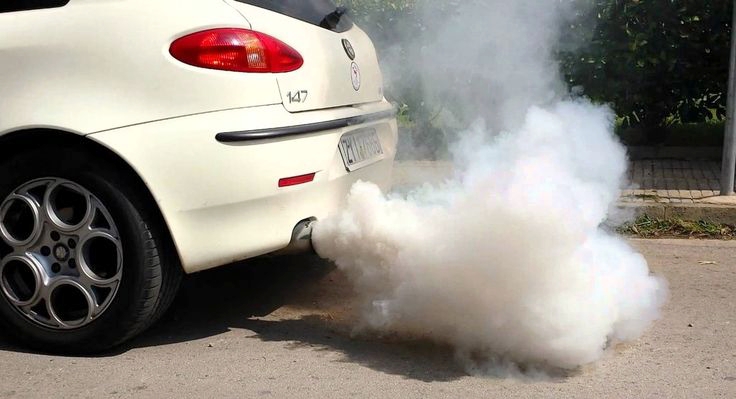
White smoke from a vehicle’s exhaust can either be normal or a warning sign of engine trouble. In many cases, it appears briefly during cold starts due to condensation, but when it becomes thick or continuous, it may indicate issues like coolant leakage, a blown head gasket, or other engine faults. Understanding the cause early can help prevent serious damage and costly repairs. In this guide, you’ll learn what white smoke from exhaust means, why it happens, and how to fix and prevent it.
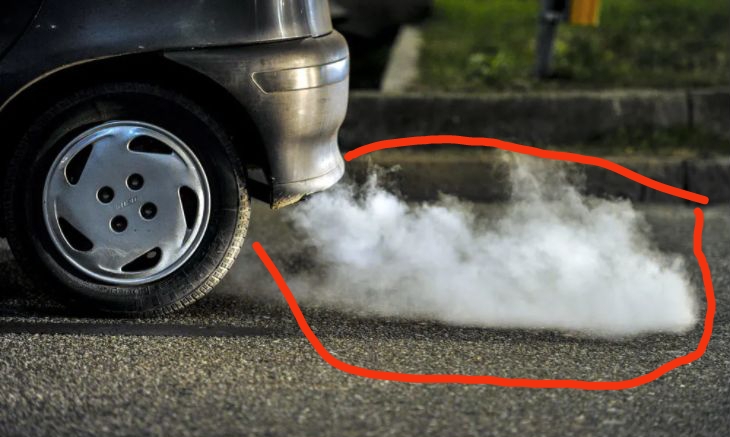
What Does White Smoke From Exhaust Mean?
White smoke from an exhaust is usually a sign of either normal condensation or an engine problem. Light smoke that disappears quickly is often harmless, especially during cold starts. However, thick or continuous white smoke can mean coolant is leaking into the engine or there is a fault like a blown head gasket or cracked cylinder head. If it does not stop after the engine warms up, it should be checked quickly to avoid serious damage.
Is White Smoke From Exhaust Normal?
In some situations, white smoke from the exhaust is completely normal. On cold mornings, vehicles often release a thin white vapor shortly after starting. This occurs because moisture naturally builds up inside the exhaust system and evaporates as the engine warms up.
If the white vapor disappears within a few minutes, there is usually nothing to worry about. However, if the smoke remains visible after the engine reaches normal operating temperature, it may indicate an underlying issue.
Common Causes of White Smoke From Exhaust
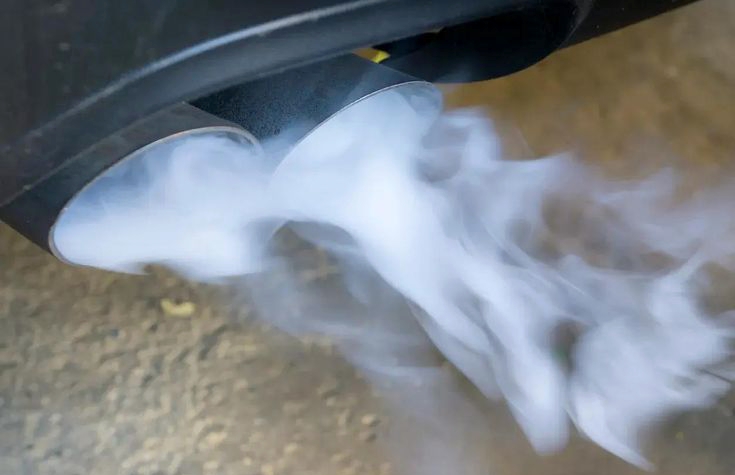
Several issues can cause white smoke from a vehicle’s exhaust system. Some are minor and temporary, while others may indicate serious engine damage that requires immediate attention.Below are Common Causes of White Smoke From Exhaust:
1. Coolant Leaking Into the Engine One of the most common causes of thick white smoke is coolant entering the combustion chamber. This happens when coolant mixes with fuel and air during combustion, producing dense white smoke from the exhaust. This problem may be caused by a blown head gasket, a cracked engine block, a damaged cylinder head, or faulty engine seals. In most cases, it is also accompanied by coolant loss, engine overheating, or a sweet smell from the exhaust.
2. Condensation in the Exhaust System White smoke can also be caused by condensation buildup inside the exhaust system, especially during cold weather. Moisture naturally forms in the exhaust overnight, and when the engine starts, heat turns it into vapor, producing light white smoke. This type of smoke is usually thin and disappears quickly once the engine warms up.
3. Cracked Cylinder Head A cracked cylinder head can allow coolant to leak into the combustion area, leading to continuous white smoke from the exhaust. Unlike normal condensation, this smoke does not disappear quickly and may be accompanied by overheating, poor engine performance, coolant loss, or difficulty starting the vehicle.
4. Blown Head Gasket A blown head gasket is a serious engine issue that allows coolant to enter the cylinders and burn during combustion, producing thick white smoke. Common signs include persistent white smoke, engine overheating, milky engine oil, coolant loss without visible leaks, and reduced engine power. Because repair costs can be high, early detection is very important.
5. Faulty Fuel Injector (Diesel Engines Only) In diesel engines, white smoke may result from a faulty fuel injector that delivers fuel incorrectly, leading to incomplete combustion. This causes visible white smoke and may also result in rough idling, poor fuel economy, and reduced engine performance.
Also read: How to Change Oil in a Car
How to Tell If White Smoke Is Serious
Not all white smoke indicates a major problem. Here are some signs that suggest the issue needs immediate attention:
- The smoke continues after the engine warms up.
- The smoke is thick and dense.
- The engine temperature rises unusually high.
- Coolant levels keep dropping.
- The exhaust has a sweet smell.
- The vehicle loses power while driving.
If you notice one or more of these symptoms, it’s best to have the vehicle inspected as soon as possible.
How to Fix White Smoke From Exhaust
Fixing white smoke from an exhaust starts with finding the exact cause so the right repair can be done to prevent engine damage and restore normal performance. Below are how to fix white smoke from exhaust:
1. Identify When the Smoke Appears: The first step is to observe when the white smoke occurs. If it appears only during cold starts and disappears quickly, it is usually normal condensation. However, if it continues while driving, it indicates a possible engine issue that needs repair.
2. Check Coolant Level: Open the coolant reservoir and check if the level is dropping without visible leaks. A low coolant level often indicates internal leakage, which may be causing white smoke from the exhaust.
3. Inspect for External Leaks: Look around the radiator, hoses, and engine area for any signs of coolant leakage. Even small leaks can contribute to overheating and white smoke issues.
4. Fix Coolant Leak Sources: If coolant is entering the engine, damaged parts such as gaskets, seals, or hoses must be repaired or replaced. This is important to stop coolant from burning inside the combustion chamber.
5. Repair or Replace Head Gasket: A blown head gasket is a serious cause of white smoke and usually requires professional repair. Replacing it early prevents engine overheating and major internal damage.
6. Repair Cracked Engine Components: If the cylinder head or engine block is cracked, it must be repaired or replaced depending on the severity. Ignoring this can lead to continuous smoke and engine failure.
7. Service Fuel Injectors (Diesel Engines): In diesel vehicles, faulty fuel injectors should be cleaned or replaced if they are delivering fuel incorrectly. This helps restore proper combustion and reduce smoke.
8. Seek Professional Diagnosis: If the cause is not clear, take the vehicle to a qualified mechanic for proper inspection. Early diagnosis helps prevent expensive repairs and ensures the engine remains in good condition.
How to Prevent White Smoke Problems
Preventing white smoke from the exhaust mainly comes down to proper and consistent vehicle maintenance. When the engine is well cared for, the chances of coolant leaks, overheating, or internal damage are greatly reduced. Here are a few simple tips:
1. Check coolant level regularly Always monitor your coolant level to ensure it does not drop unexpectedly, as this can signal early engine problems.
2. Follow maintenance schedule Stick to your vehicle manufacturer’s service plan to keep the engine in good condition and avoid hidden faults.
3. Fix leaks quickly Any coolant or fluid leak should be repaired immediately to prevent it from affecting engine performance.
4. Watch engine temperature Keep an eye on the temperature gauge while driving to avoid overheating, which can lead to white smoke issues.
5. Use correct engine fluids Only use recommended engine oil and coolant to ensure proper engine function and protection.
6. Respond to warning lights Do not ignore dashboard warning lights, as they often indicate early engine problems.
7. Inspect hoses and seals Regularly check engine hoses and seals for wear or damage that could lead to leaks.
8. Service the engine on time Regular servicing helps detect small issues before they become serious engine faults.
Conclusion
White smoke from an exhaust should never be ignored because it can be either a normal temporary vapor or a warning sign of serious engine problems. While light smoke during cold starts is usually harmless, continuous or thick white smoke often points to issues like coolant leakage, a blown head gasket, or a cracked engine component. By understanding the causes, watching for warning signs, and carrying out proper maintenance, you can prevent costly engine damage and keep your vehicle running smoothly.
Frequently Asked Questions (FAQ)
1. Can driving habits affect white smoke coming from the exhaust?
Yes, driving habits can influence engine performance and exhaust smoke. Frequent short trips, harsh acceleration, or neglecting engine warm-up can increase condensation buildup and stress engine components, which may contribute to white smoke over time.
2. How long should white smoke last before it becomes a concern?
White smoke should usually disappear within a few minutes after starting the engine. If it continues for more than 5–10 minutes or remains while driving, it is likely a sign of an engine problem that needs inspection.
3. Does white smoke always mean engine damage is expensive to fix?
Not always. Some causes like condensation or minor leaks are cheap to fix or even normal. However, serious issues like head gasket failure can be costly, especially if ignored for too long.
4. Can low-quality fuel contribute to white smoke from the exhaust?
Yes, in some cases poor-quality or contaminated fuel can cause incomplete combustion, especially in diesel engines, leading to abnormal exhaust smoke and reduced engine efficiency.
5. Is it safe to use engine additives to stop white smoke?
Engine additives may temporarily reduce symptoms in minor cases, but they do not fix the root cause. If white smoke is caused by internal engine damage, additives will not solve the problem and professional repair is still needed.