
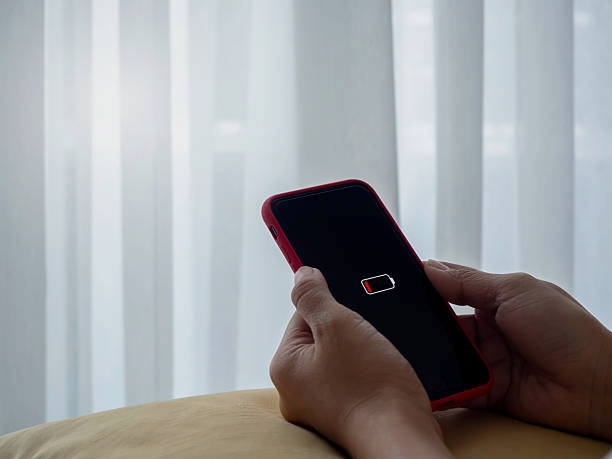
If your iPhone battery drops from 100% to 50% in just a few hours, you’re not alone. Many users notice their battery draining quickly even when the phone isn’t in heavy use. This can be frustrating, whether you have an older iPhone or a newer model, especially if you rely on it for work, school, or daily tasks. The good news is that most battery drain issues are caused by settings, background apps, or software behavior rather than serious hardware problems. In this guide, you’ll discover the main reasons your iPhone battery drains fast and simple, effective fixes that really work.
Also read: Why Is My Phone Charging But the Battery Percentage Is Not Increasing Real Fix (2026)
Common Reasons Your iPhone Battery Drains Fast (And How to Fix Them)
Below are the most common reasons your iPhone battery drains quickly and the simple steps you can take to fix each issue effectively:
1. Background Apps Running Constantly
Many apps continue running in the background even when you’re not actively using them. Social media, messaging, and navigation apps frequently refresh content, sync data, and check for updates. This constant background activity quietly consumes processing power and network resources, which can cause your iPhone battery to drain faster than expected even when the screen is off.
How to Fix It: Open Settings > General > Background App Refresh and turn it off completely, or disable it for apps that don’t need to update constantly in the background. Limiting background activity reduces unnecessary data syncing and processor usage, which can noticeably improve your iPhone’s battery life, especially throughout the day.

2. High Screen Brightness
Your iPhone’s display is one of the biggest sources of battery usage. Keeping the brightness level at or near 100% forces the screen to consume more power continuously, especially when streaming videos, browsing, or using apps for long periods. Over time, this high display output can cause your battery percentage to drop much faster than normal.
How to Fix It: Go to Settings > Display & Brightness and enable Auto-Brightness so your iPhone adjusts the screen brightness automatically based on lighting. You can also lower the brightness manually when indoors or in dim environments. Reducing screen brightness significantly lowers power consumption, helping your battery last longer throughout the day.

4. Location Services Always On
When location services are always enabled, apps can track your position continuously, even when you’re not actively using them. Navigation apps, ride-hailing services, weather apps, and social media platforms often rely on GPS to provide real-time updates. This constant location tracking keeps the iPhone’s processor and wireless radios active, which uses significant battery power over time. Even apps running quietly in the background can gradually drain your battery if they frequently access your location.
How to Fix It: Go to Settings > Privacy & Security > Location Services and review which apps can access your location. Set most apps to “While Using the App” so they only use GPS when actively open, and turn off location access for apps that don’t need it. This reduces background GPS activity, lowering battery drain and helping your iPhone last longer between charges.

5. Notifications
When notifications are enabled for many apps, your iPhone frequently wakes up to check for new messages, updates, or alerts. Each alert triggers the screen, processor, and network activity, which quietly consumes battery power throughout the day. Even if you don’t interact with the notifications, this constant checking can add up, contributing to faster battery drain over time.
How to Fix It: Go to Settings > Notifications and review which apps can send alerts. Disable notifications for apps that aren’t essential and customize alerts for the ones you need. Reducing unnecessary notifications limits background activity and screen wake-ups, helping your iPhone conserve battery throughout the day.

6. iOS Update or Software Bug
After installing a new iOS update, your iPhone may experience faster battery drain temporarily. This is often because the system is reindexing files, updating apps, and performing background maintenance. Even if no apps are actively used, this post-update activity can cause your battery to deplete more quickly for a short period. In some cases, minor software bugs in the update can also affect battery performance until the system stabilizes.
How to Fix It: Restart your iPhone after updating to allow the system to settle. Ensure you’re running the latest stable version of iOS, as updates often include bug fixes that improve battery performance. After a major update, give your device 24–48 hours to complete background tasks and reindexing—battery usage usually stabilizes once these processes finish.
7. Poor Network Signal
When your iPhone is in an area with weak cellular reception, it constantly boosts its radio to maintain a connection. This extra effort keeps the processor and wireless components active, which consumes more battery than usual. Even simple tasks like sending messages or checking notifications can drain power faster in low-signal areas, making battery life noticeably shorter.
How to Fix It: In areas with poor cellular reception, turn on Airplane Mode temporarily to stop your iPhone from constantly searching for a signal. Whenever possible, connect to Wi-Fi, which uses less power than mobile networks. If you don’t need 5G, go to Settings > Cellular > Voice & Data and disable it, as 5G can drain battery faster in weak signal areas. These steps help reduce unnecessary power consumption and extend battery life.
8. Always-On Display (Newer Models)
Some newer iPhone models feature Always-On Display, which keeps parts of the screen illuminated to show the time, widgets, or notifications even when the phone is locked. While convenient, this constant partial display uses power continuously, which can contribute to faster battery drain compared to models without this feature or when the display is fully off. Even subtle screen activity over hours adds up and impacts overall battery life.
How to Fix It: Go to Settings > Display & Brightness and turn off Always-On Display. Disabling this feature stops the screen from staying partially active when your iPhone is locked, reducing continuous power consumption and helping your battery last longer throughout the day.
9. Too Many Widgets and Live Wallpapers
Widgets and live wallpapers may look appealing, but they can quietly drain your iPhone’s battery. Widgets—especially weather, news, or social media widgets—constantly refresh in the background to show updated information. Live wallpapers keep the display processing animations even when the phone is idle. Together, these features increase background activity and screen usage, which can shorten battery life over time.
How to Fix It: Remove unnecessary widgets from your Home Screen, keeping only the ones you use regularly. Replace live or animated wallpapers with a static image to reduce background processing and screen activity. These simple changes lower battery consumption and help your iPhone last longer between charges.
Quick Tips to Boost iPhone Battery Life
Follow these practical steps to extend your iPhone’s battery throughout the day:
- Adjust Screen Brightness: Keep brightness at a moderate level or enable Auto-Brightness to save power.
- Limit Background Activity: Turn off Background App Refresh for apps that don’t need constant updates.
- Manage Location Access: Allow location services only for essential apps and set most to “While Using the App.”
- Prefer Wi-Fi Over Cellular: Wi-Fi uses less battery than mobile networks, especially in low-signal areas.
- Restart Regularly: Rebooting your iPhone clears temporary processes and helps maintain optimal battery performance.
When to Consider Replacing Your iPhone Battery
You may need a battery replacement if you notice any of the following:
- Battery Health Below 80%: Check Settings > Battery > Battery Health & Charging to see your maximum capacity.
- Unexpected Shutdowns: Your iPhone turns off even with remaining charge.
- Rapid Drain While Idle: Battery percentage drops quickly when the phone isn’t in use.
If one or more of these issues occur, replacing the battery is often the most effective way to restore reliable performance and longer battery life.
Conclusion
Fast iPhone battery drain is usually caused by settings, background activity, or software behavior rather than hardware problems. By managing background apps, screen brightness, location services, notifications, and other features, you can significantly extend battery life. Regularly checking battery health and replacing the battery when necessary ensures your iPhone performs reliably throughout the day. Following these simple steps helps you get the most out of your device while keeping it efficient and long-lasting.
Frequently Asked Question
1. Why does my iPhone battery drain faster at night?
Even when idle, apps can run in the background, syncing data, updating content, or checking for notifications. Features like background refresh, location tracking, and network searches can use power overnight. Adjusting background activity and disabling unnecessary settings can help your battery last longer while sleeping.
2. Does charging my iPhone overnight damage the battery?
Modern iPhones have smart charging features that prevent overcharging. While occasional overnight charging is generally safe, keeping the battery between 20–80% regularly helps maintain long-term health.
3. How can I check which apps use the most battery?
Go to Settings > Battery to see a detailed breakdown of battery usage per app. This helps identify apps consuming excessive power so you can adjust settings, limit background refresh, or remove apps you rarely use.
4. Does using Wi-Fi save battery compared to cellular data?
Yes. Wi-Fi generally uses less power than cellular networks, especially in areas with poor signal strength where your iPhone works harder to maintain a connection. Using Wi-Fi whenever possible can reduce battery drain.
5. Can software updates affect battery life?
After a major iOS update, your phone may temporarily drain faster due to background processes like reindexing and app updates. Running the latest stable version ensures you get bug fixes and battery optimizations.
6. How does extreme temperature affect my iPhone battery?
High heat or extreme cold can temporarily reduce battery performance and longevity. Avoid leaving your iPhone in direct sunlight, hot cars, or freezing conditions to maintain stable battery life.
7. Does 5G use more battery than 4G?
Yes. 5G requires more power, especially in areas with weak signal. Switching to 4G when 5G isn’t necessary can help conserve battery.