
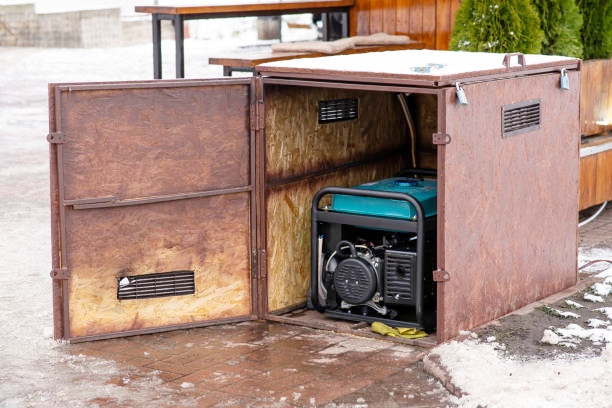
Properly storing your generator when it’s not in use is essential for maintaining its performance, extending its lifespan, and keeping it ready whenever you need it. Whether used for backup power, outdoor activities, or construction work, poor storage can cause damage, reduce efficiency, and create safety risks. This guide shares practical, experience-based tips from HighTech to help protect your generator from rain, dust, corrosion, and theft, ensuring it stays safe, reliable, and in excellent condition all year round.
5 Essential Tips for Storing Your Generator the Right Way
Keep your generator in top shape and ready to go when you need it most by following these five key storage steps:
1. Drain the Fuel
Before storing your generator, make sure the fuel is handled properly. Old gasoline can clog the carburetor and cause starting problems, so it’s best to drain the tank and keep the fuel in a clean container. If you don’t want to empty it, fill the tank and add a fuel stabilizer to keep the fuel fresh and prevent rust. After adding it, run the generator for a few minutes so the treated fuel spreads through the system and ensures smooth starting later.
2. Inspect for Wear and Tear
Before storing your generator, check it carefully for any signs of damage. Look for leaks, loose connections, cracks, rust, or worn-out parts. Pay special attention to the spark arrester, switches, handles, wheels, and fuel lines to be sure they’re secure and in good condition. If you notice anything unusual, repair or replace it before storage. A quick inspection now helps prevent bigger problems later and keeps your generator reliable.
3. Clean the Unit
Before storing your generator, make sure it’s completely clean. Dust, oil stains, and dirt can cause corrosion if left for too long. Use a soft cloth or brush to wipe the exterior, including the vents and control areas. Avoid using too much water or strong chemicals. After cleaning and drying it, cover the generator with a good dust-proof cover to protect it from moisture, insects, and debris. A clean generator stays in better condition and lasts longer.
4. Refresh the Oil
Before storing your generator, check the engine oil to be sure it’s clean and at the right level. Old or dirty oil can thicken and make the engine harder to start later. If the oil looks dark, drain it and replace it with fresh oil recommended for your generator model. This simple step protects the engine and helps ensure a smooth startup when you use it again.
5. Remove the Battery
If your generator uses a battery, remove it before storage. Leaving it connected for too long can drain the charge or affect the electrical parts. After removing it, wipe the terminals with a dry cloth and store the battery in a cool, dry place away from heat and moisture. This helps keep it in good condition and ensures it works properly when you reinstall it.
6. Choose the Right Storage Spot
Pick a safe, dry place to store your generator. Keep it in a well-ventilated area that’s free from heat, dust, and moisture. Avoid storing it inside your living room or any enclosed space, even if the tank is empty, because leftover fumes can still be unsafe. A garage, outdoor shed, or generator enclosure is a better option. Make sure the area has good airflow and protects the generator from rain, pests, and accidental damage. This keeps your generator safe and ready when you need it.
Where to Store Your Generator
Choosing the right place to store your generator helps keep it safe, clean, and ready whenever you need power. The best location is always somewhere dry, ventilated, and protected from weather or heat. Below are three reliable options you can consider.
1. Garage
A garage is one of the best places to store a generator because it keeps the unit protected from rain, dust, and direct sunlight. It also prevents the machine from staying outside where it can rust or get damaged. Garages offer stable temperatures, which helps your generator last longer. Just make sure you don’t keep it close to areas connected to your living space, especially if the tank still has fuel. A garage gives the balance of safety, protection, and easy access whenever you need to bring the generator out.
2. Indoor Storage Room
If you don’t have a garage, a storage room, utility room, or dry shed inside your compound can also work. These spaces keep the generator away from harsh outdoor weather and reduce the risk of theft. What matters most is that the place is dry and has good airflow. Avoid storing your generator in bedrooms or living areas, as leftover fuel fumes can be unsafe. When kept in a clean and dry indoor spot, your generator stays protected and maintains good performance for future use.
3. Outdoor Shed
Some people prefer keeping their generator outside but still want it protected from the elements. An outdoor shed is a good middle option. It keeps the generator out of direct rain and sunlight while still providing enough space and ventilation. However, sheds in very hot or extremely cold areas can affect the generator’s performance over time, so make sure the shed is well-sheltered. Adding a weatherproof cover gives extra protection and helps prevent rust or unwanted moisture buildup.
How to Check for Damages in Your Generator: A Simple 5-Step Inspection Guide
Keeping your generator in good condition starts with regular inspection. A quick check can help you catch problems early, prevent breakdowns, and keep the generator running safely whenever you need it. Below is a clear and practical 5-step guide anyone can follow to spot damages before they become serious issues.
1. Power Off the Generator and Allow It to Cool
Always begin by turning off the generator and unplugging every connected device. Give it a few minutes to cool down so you can inspect it safely. This simple step protects you from accidental shocks and makes the inspection more accurate.
2. Examine the Exterior for Any Physical Damage
Walk around the generator and closely observe the outer body. Look for cracks, dents, broken panels, or loose screws. The exterior often gives early signs of hidden problems inside. Spotting these issues early can save you money on future repairs.
3. Check for Fuel or Oil Leakage
Carefully inspect the fuel tank, fuel lines, oil compartment, and surrounding areas. Wet marks, strong fuel smells, or oily patches are clear warning signs. Fuel and oil leaks are safety risks, and even small ones can damage the engine if ignored. Fixing them early prevents bigger problems later.
4. Inspect Key Components for Dirt or Wear
Look at important parts such as the spark plug, air filter, cooling vents, and exhaust opening. Make sure they are clean and not blocked by dust, soot, or debris. Dirty or worn-out components can affect the generator’s performance, cause overheating, or make it difficult to start.
5. Run a Short Performance Test
After checking everything, start the generator for a brief test. Listen for any unusual sounds, observe the vibration, and pay attention to the exhaust color. A generator that runs smoothly and steadily is ready for use. If anything feels strange, turn it off and inspect again or contact a technician.
Conclusion
Proper generator storage is not just about putting it away it’s about protecting your investment and ensuring reliable performance when you need power the most. By following the right storage steps, choosing a safe location, and carrying out regular inspections, you reduce the risk of damage, breakdowns, and safety issues. Small efforts like draining fuel, cleaning the unit, and storing it in a dry, well-ventilated place can make a big difference over time. When stored correctly, your generator stays dependable, lasts longer, and remains ready to serve you whenever power is needed.
Frequently Asked Questions (FAQs)
1. How often should I inspect my generator if it hasn’t been used for a while?
Even when a generator is not in use, regular inspection is important. Over time, dust buildup, loose connections, or minor leaks can develop without being noticed. Checking your generator at least once a month or every few months during long periods of inactivity helps you catch early signs of wear or corrosion and ensures it remains safe and ready for use.
2. Can improper storage affect performance even if the generator looks clean?
Yes, a generator can still suffer internal damage even if it looks clean on the outside. Moisture, temperature changes, old fuel, or trapped dust can slowly affect internal parts like fuel lines, engine components, and wiring. Proper storage in a dry, well-ventilated area helps prevent hidden damage and maintains long-term performance.
3. What signs show a generator needs maintenance before storage?
Warning signs include a weak or fast-draining battery, dark or dirty engine oil, unusual odors, or worn spark plugs. These issues should be fixed before storage to avoid starting problems later and to protect important engine parts. Addressing them early helps keep the generator reliable.
4. How does using a cover or enclosed space help a generator last longer?
Using a protective cover or storing the generator in a garage or shed shields it from moisture, dust, pests, and direct sunlight. These protections reduce the risk of rust, corrosion, and overheating. Good ventilation also helps maintain stable conditions, keeping internal components in better shape over time.
5. Why is a short test run important after long-term storage?
A short test run confirms that the engine, battery, fuel system, and exhaust are working properly. It also helps you notice unusual sounds, vibrations, or smoke early. This simple step ensures your generator is truly ready to provide reliable power when needed.