Changing your car’s engine oil is one of the most important maintenance tasks you can perform to keep your vehicle running smoothly. Engine oil plays a vital role in lubricating moving parts, reducing friction, preventing overheating, and protecting the engine from wear and tear. Over time, however, engine oil becomes contaminated with dirt, carbon deposits, and other particles, reducing its effectiveness.
If old oil is not replaced on time, it can lead to poor engine performance, lower fuel economy, and expensive repairs. Fortunately, changing your car’s oil is a straightforward process that many vehicle owners can do themselves with the right tools and safety precautions.
In this guide, you’ll learn how to recognize when your car needs an oil change and follow a step-by-step process to replace the oil correctly.
Why Regular Oil Changes Are Important
Your engine has many moving parts that work under high heat and speed. Engine oil helps protect these parts by reducing friction and keeping everything running smoothly. Regular oil changes provide several benefits:
- Extend engine life
- Improve fuel efficiency
- Reduce engine wear
- Keep engine components clean
- Improve overall vehicle performance
- Help prevent costly repairs
Ignoring oil changes can cause sludge buildup inside the engine, which may eventually lead to serious mechanical problems.
Key Signs Your Car Needs an Engine Oil Changei
Most vehicles give clear warning signs when it’s time for fresh engine oil. Knowing these signs can help you address maintenance issues before they become serious.
1. Engine Oil Looks Dark and Dirty
Fresh engine oil usually has a clear amber or golden appearance. As it circulates through the engine, it collects contaminants and gradually becomes darker.
You can check your oil by removing the dipstick and inspecting the oil’s color and consistency. If the oil appears black, thick, or gritty, it’s likely time for an oil change. Clean oil helps maintain proper engine lubrication and performance.
2. Unusual Engine Noise
One of the primary jobs of engine oil is to reduce friction between moving parts. When oil becomes old or insufficient, metal components may begin rubbing against each other.
If you hear knocking, ticking, tapping, or other unusual engine sounds, your oil may no longer be providing adequate protection. Changing the oil can help restore proper lubrication and reduce unnecessary engine wear.
3. Reduced Fuel Economy
Dirty oil forces the engine to work harder than normal. This additional strain can decrease fuel efficiency and increase fuel consumption.
If you’ve noticed that you’re visiting the fuel station more frequently despite maintaining the same driving habits, degraded engine oil may be contributing to the problem.
4. Dashboard Warning Lights
Modern vehicles use sensors to monitor oil pressure and engine performance. If the oil warning light, maintenance reminder, or check engine light appears on your dashboard, don’t ignore it.
These warning indicators often signal low oil levels, poor oil quality, or another issue requiring attention. Addressing the problem early can help prevent expensive engine damage.
How Often Should You Change Your Engine Oil?
The recommended oil change interval varies depending on your vehicle, driving conditions, and the type of oil being used.
Many modern vehicles can go between 5,000 and 10,000 miles (8,000 to 16,000 kilometers) between oil changes. However, it’s always best to consult your vehicle owner’s manual for the manufacturer’s recommendation.
You may need more frequent oil changes if you:
- Drive in heavy traffic regularly
- Make frequent short trips
- Tow heavy loads
- Drive in extremely hot or dusty conditions
- Frequently travel on rough roads
How to Change Your Car Engine Oil (Step-by-Step Guide)
Below are the tools you need and the steps to follow to change your car engine oil safely and correctly:
Tools You’ll Need to Change Your Car Oil
Before starting the oil change process, gather the following tools and supplies:
- Oil filter wrench
- Socket wrench or spanner set
- Oil drain pan
- Funnel
- New engine oil
- New oil filter
- Protective gloves
- Clean rags or paper towels
Check your owner’s manual for the correct oil type and quantity. Warm the engine for a few minutes so the oil flows better, then switch it off and allow it to cool slightly before draining.
Step 1: Prepare Your Car and Lift It Safely
Park your vehicle on a flat and stable surface. Engage the parking brake and switch off the engine completely.
Allow the engine to cool for about 10 to 15 minutes to reduce the risk of burns. If additional clearance is needed, carefully raise the vehicle using a jack and secure it with jack stands.
Never work underneath a vehicle that is supported only by a jack. Safety should always come first.
Step 2: Locate the Oil Drain Plug
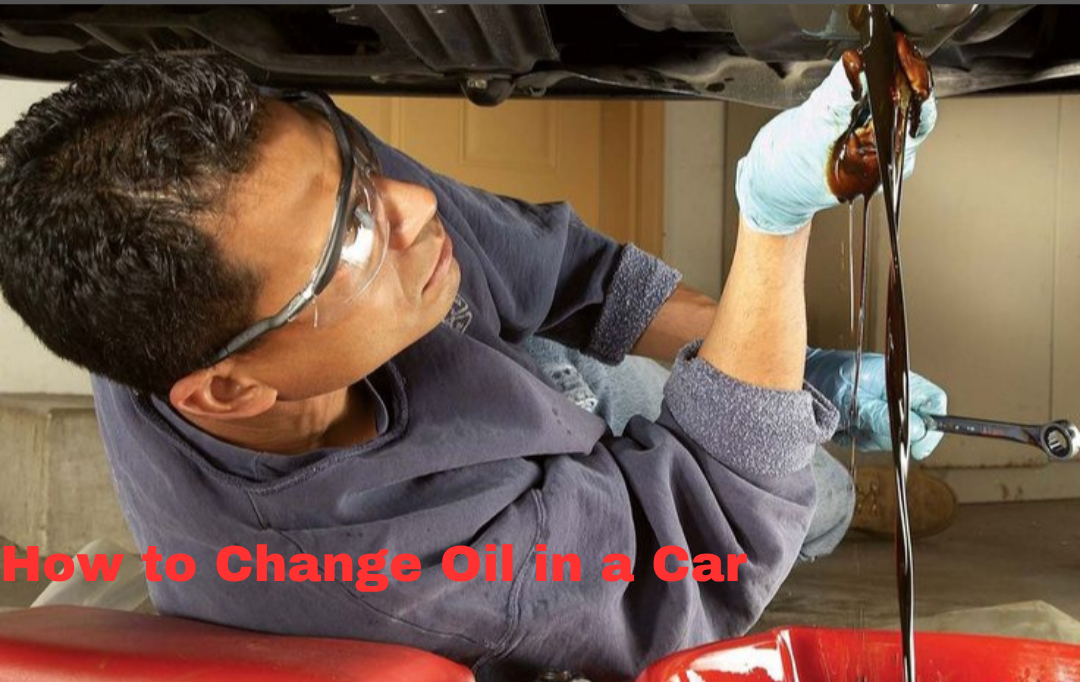
Move underneath the vehicle and locate the oil drain plug. This is typically found at the bottom of the oil pan beneath the engine.
Place the oil drain pan directly under the drain plug before loosening it. Proper positioning helps prevent spills and makes cleanup easier.
Step 3: Drain the Old Oil
Using the correct wrench, carefully loosen and remove the drain plug.
The old oil will begin flowing into the drain pan immediately. Allow all the oil to drain completely. This process usually takes several minutes.
Waiting until the oil slows to an occasional drip ensures that most contaminants have been removed from the engine.
Step 4: Remove and Replace the Oil Filter
Locate the oil filter and remove it using an oil filter wrench if necessary.
Before installing the new filter, apply a small amount of fresh oil to the rubber gasket. This helps create a proper seal and makes future removal easier.
Install the new oil filter according to the manufacturer’s instructions. Avoid overtightening.
Step 5: Reinstall the Oil Drain Plug
Once the oil has fully drained, clean the area around the drain opening with a cloth.
Reinstall the drain plug and tighten it securely using a wrench. Be careful not to overtighten it, as this could damage the threads or cause future leaks.
Step 6: Add Fresh Engine Oil
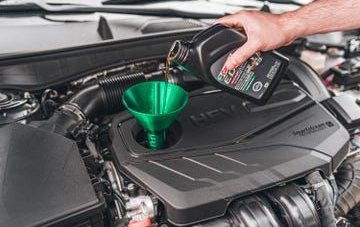
Open the oil filler cap on top of the engine and insert a funnel.
Slowly pour in the recommended amount of fresh engine oil. To avoid overfilling, add most of the required quantity first and then check the oil level before adding more.
Using the correct oil grade is important for optimal engine protection and performance.
Step 7: Check the Oil Level
Start the engine and allow it to idle for approximately one minute. This helps the new oil circulate throughout the engine and fill the oil filter.
Turn off the engine and wait several minutes for the oil to settle.
Remove the dipstick, wipe it clean, reinsert it fully, and then check the oil level. Add more oil if necessary until it reaches the recommended level.
Step 8: Dispose of Used Oil Properly
Proper disposal of used motor oil is essential for environmental protection.
Transfer the old oil into a sealed container and take it to a certified recycling center, automotive repair shop, or auto parts store that accepts used oil.
Never pour used oil onto the ground, into drains, or into household waste bins.
Common Mistakes to Avoid During an Oil Change
When changing your car’s oil, avoid these common mistakes:
- Using the wrong type of oil
- Forgetting to replace the oil filter
- Overfilling the engine with oil
- Leaving the drain plug loose
- Overtightening the oil filter
- Ignoring oil leaks after completion
Taking your time and following the correct procedure can help prevent these issues.
Benefits of Changing Your Own Oil
Changing your own engine oil comes with several practical advantages that go beyond just saving money. It also helps you take better control of your vehicle’s health and performance.
1. Reduces maintenance costs: Doing it yourself helps you save money that would normally go to service fees.
2. Better understanding of your car: It helps you become more familiar with how your vehicle works and what it needs.
3. Early problem detection: While checking or changing oil, you can easily notice leaks, dirt buildup, or unusual engine conditions.
4. Control over oil quality: You get to choose the exact type and quality of oil and filter used in your engine.
5. Longer engine life: When done correctly and regularly, it helps protect engine parts and improves durability over time.
Conclusion
Changing your car engine oil is a simple but very important maintenance task that helps keep your engine healthy and performing at its best. By paying attention to warning signs, using the correct tools, and following the proper step-by-step process, you can prevent engine damage, improve fuel efficiency, and extend the life of your vehicle. Regular oil changes not only save you from costly repairs but also ensure your car runs smoothly and reliably for a long time.
Frequently Asked Questions (FAQ)
1. Can I change my engine oil without lifting my car?
In some vehicles, especially those with higher ground clearance, it may be possible to reach the oil drain plug without lifting the car. However, for most cars, using a jack and jack stands is necessary to safely access the underside and avoid injury. Safety should always come first when working under a vehicle.
2. What problems can happen if I use the wrong engine oil type?
Using the incorrect oil type can affect how well your engine is protected and lubricated. It may lead to poor engine performance, increased friction, overheating, and in some cases, long-term engine damage. That is why it is very important to always follow the oil recommendation in your vehicle’s manual.
3. Is it okay to mix old engine oil with new oil?
Mixing old and new engine oil is not recommended. Old oil already contains dirt and contaminants, so combining it with fresh oil reduces the overall quality and effectiveness. This can affect how well the oil protects your engine parts and may shorten its lifespan.
4. How can I be sure the oil filter is properly installed?
A correctly installed oil filter should be tightened securely by hand according to the manufacturer’s instructions. After starting the engine, check around the filter area for any oil leaks. If there is no leakage and the engine runs smoothly, the installation is most likely correct.
5. Do weather or driving conditions affect oil change frequency?
Yes, driving conditions and weather can have a big impact on how quickly engine oil breaks down. Extreme heat, cold weather, dusty roads, and heavy traffic can cause oil to degrade faster. In such conditions, you may need to change your engine oil more often than the standard recommendation.