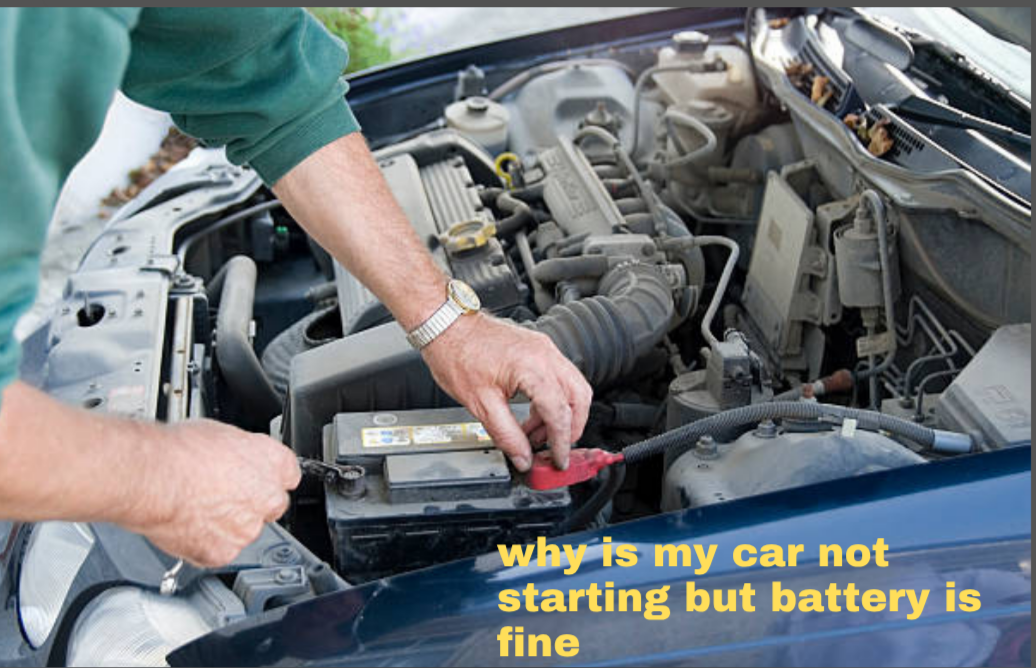
It can be very frustrating when your car refuses to start even though the battery is working perfectly. In many cases, the dashboard lights may come on, the radio may work, but the engine still won’t crank or start. This situation usually means the problem is not from the battery but from other important systems like the starter, fuel system, ignition, or sensors. In this guide, you will learn the real reasons why your car is not starting even when the battery is fine and the most effective ways to fix it quickly.
Common Causes Why Your Car Is Not Starting but Battery Is Fine
There are several reasons why your car may refuse to start even when the battery is in good condition. Most of these issues are related to engine components, fuel delivery, or electrical systems rather than the battery itself. Below are the most common causes explained clearly:
1. Faulty Starter Motor
The starter motor is responsible for turning the engine when you start your car. If it becomes weak or fails completely, the engine will not crank even though the battery is fine. In most cases, you may hear a clicking sound or nothing at all when you turn the key.
2. Bad Ignition Switch
The ignition switch connects your key or start button to the vehicle’s electrical system. If it is faulty, power may not reach the starter or engine control system. This can make the car completely unresponsive when trying to start it.
3. Fuel Delivery Problems
Even with a good battery, your car cannot start without fuel reaching the engine. A bad fuel pump, clogged fuel filter, or empty fuel tank can stop combustion from happening. This is one of the most common overlooked causes.
4. Weak or Faulty Spark Plugs
Spark plugs are responsible for igniting the fuel-air mixture in the engine. If they are worn out, dirty, or damaged, the engine may crank but fail to start properly. This can also lead to rough starting before complete failure.
5. Engine Immobilizer or Security System Issue
Modern cars have security systems that prevent theft. If the system does not recognize your key or detects an error, it may block the engine from starting completely, even when everything else is working fine.
6. Blown Fuse or Faulty Relay
A blown fuse or bad relay can stop power from reaching important components like the fuel pump or starter motor. This can result in a complete starting failure without warning.
7. Transmission Not in Park or Neutral (Automatic Cars)
For automatic vehicles, the car must be in “Park” or “Neutral” before it can start. If the gear is in Drive or Reverse, the engine will not respond even if the battery is strong.
8. Faulty Crankshaft Position Sensor
This sensor helps the engine control unit know when to start the combustion process. If it fails, the engine may crank but will not start because the timing signal is missing.
How to Fix Car Not Starting but battery is fine Issue
Fixing a car that won’t start but has a good battery requires careful checking of different systems. Below is a very detailed step-by-step guide to help you identify and solve the problem effectively:
1. Check the Gear Position First (Automatic Cars)
Start with the simplest check. Make sure your car is in “Park” or “Neutral.” Many drivers overlook this, and it can instantly prevent the car from starting. Shift between Park and Neutral and try starting again to confirm.
2. Inspect the Ignition Response
Turn the key or press the start button and observe what happens. If nothing happens at all, the issue may be electrical. If you hear clicking sounds, it may point toward the starter motor or relay. Understanding the response helps narrow down the fault.
3. Test the Starter Motor Condition
If the battery is fine but the engine does not crank, the starter motor is one of the main suspects. Try tapping the starter lightly (if accessible) while someone turns the key. If the car starts, the starter is weak and may need replacement soon.
4. Check Fuel Level and Fuel Delivery System
Make sure there is enough fuel in the tank. After confirming that, listen closely when you turn the key—you should hear a faint humming sound from the fuel pump. If there is no sound, the fuel pump may be faulty or the fuel system may be blocked.
5. Inspect the Spark Plugs
Remove and check the spark plugs if possible. Dirty or worn-out plugs will not produce a strong spark needed for ignition. Replacing old spark plugs can immediately restore engine starting in many cases.
6. Restart the Car After Resetting Electrical Systems
Sometimes the car may have temporary electrical glitches. Turn off everything, remove the key, wait a few minutes, and restart. This helps reset minor system errors affecting ignition.
7. Check the Car Fuses and Relays
Open the fuse box and inspect for any blown fuses. Pay attention to fuses related to ignition, fuel pump, and starter system. Replace any damaged fuse with the correct rating to restore power flow.
8. Try a Spare Key (If Available)
If your car has an immobilizer system, the key itself may be the problem. Try using a spare key to see if the car starts. If it works, the original key may need reprogramming.
9. Disable or Remove External Devices
If you are using a GPS tracker, alarm system, or aftermarket security device, temporarily disable it. Some faulty accessories can interfere with the starting system.
10. Inspect the Crankshaft Sensor
If everything else seems fine but the car still won’t start, the crankshaft sensor may be faulty. This usually requires a diagnostic scanner to confirm, and replacement may be needed by a mechanic.
11. Check Battery Connections Even if Battery Is Fine
Even when the battery is good, loose or corroded terminals can stop power from reaching the engine system properly. Clean and tighten all battery connections before retrying.
12. Call a Professional Mechanic if the Issue Persists
If all steps fail, the issue may require advanced diagnostics. A mechanic can scan the car system and identify hidden electrical or engine faults quickly.
Conclusion
When your car is not starting but the battery is fine, the issue is usually caused by the starter system, fuel delivery, ignition problems, or engine sensors. Most of these problems can be diagnosed with simple checks before calling a mechanic. Understanding these causes helps you save time, avoid unnecessary repairs, and fix the issue faster. Regular car maintenance is the best way to prevent unexpected starting problems in the future.
Frequently Asked Questions (FAQ)
1. Can cold weather stop a car from starting even when the battery is good?
Yes, extremely cold weather can affect engine oil thickness, fuel flow, and starter performance, making it harder for the engine to start even if the battery still has power.
2. Why does my dashboard light come on but the engine will not start?
This usually means electrical power is reaching the car, but components like the starter motor, ignition system, or fuel pump may not be functioning properly.
3. Can a bad alternator cause starting problems even with a working battery?
Yes, if the alternator is failing, it may not properly recharge the battery while driving, which can eventually lead to starting issues and poor electrical performance.
4. How do I know if the problem is from the starter or the engine itself?
If the starter clicks or struggles to crank the engine, the issue may be from the starter system. However, if the engine cranks normally but still refuses to start, the problem could be related to fuel, ignition, or engine timing.
5. Should I jump-start my car if the battery does not seem dead?
You can try jump-starting the car once to confirm the issue, but if the battery already powers lights and electronics normally, the problem is likely caused by another mechanical or electrical fault.
6. Can fuel problems stop a car from starting completely?
Yes, if fuel is not reaching the engine due to a bad fuel pump, clogged filter, or empty tank, the car will not start even with a good battery.
7. What is the first thing to check when a car won’t start?
Always start by checking gear position, fuel level, and ignition response before moving to more complex components.
8. Is it safe to keep trying to start the car repeatedly?
No, repeated attempts can damage the starter motor or drain electrical components further. It is better to diagnose the issue step by step or Call a Professional Mechanic if the Issue Persists.