
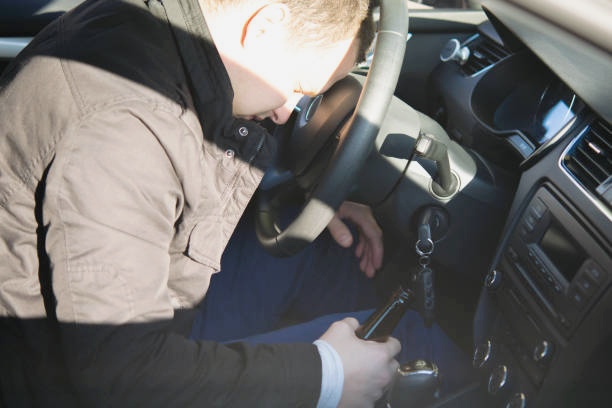
There’s nothing more frustrating than getting ready to leave, turning the key or pressing the start button, and your car doesn’t respond. You know the battery is fine the lights turn on, the dashboard works, and everything seems normal but the engine just won’t start no matter what you try. This can leave anyone feeling stuck and unsure of what’s wrong. In this guide, I’ll walk you through the most common reasons your car may fail to start even when the battery is healthy, so you’ll understand the problem before calling a professional and avoid guessing blindly.
Also read: why is my car overheating
Why Your Car Won’t Start Even When the Battery Is Fine
Below are the most common reasons your car won’t start even though the battery is not dead:
1. Faulty Starter Motor
The starter motor is what turns your engine over when you start your car, and if it’s worn out or failing, your car may not crank at all even though the battery is fine. A failing starter can cause a clicking or grinding noise when you turn the key, or it may prevent the engine from responding entirely while all the lights, dashboard, and electronics still work normally. Understanding that a faulty starter is often the reason your car won’t start can save you confusion and help you explain the problem accurately to a mechanic.
2. Ignition System Problems
The ignition system is responsible for producing the spark that ignites the fuel-air mixture in your engine, and if components like the ignition switch, ignition coil, or wiring are faulty, your car may fail to start even though the battery is perfectly fine. In these cases, the dashboard and lights may function normally, but the engine won’t crank, or starting may become inconsistent. Knowing that ignition system issues can prevent your car from starting helps you identify the problem more accurately and understand why the engine isn’t responding.
3. Fuel Delivery Issues
Even with a healthy battery, your engine won’t start if fuel isn’t reaching it properly, and issues like a clogged fuel filter, a failing fuel pump, or an empty tank can prevent combustion. In these situations, the engine may crank but fail to start, often showing hesitation or reduced performance, which makes it clear that the problem lies within the fuel system rather than the battery. Understanding fuel delivery issues helps you pinpoint why your car isn’t starting and gives insight into what’s happening under the hood.
4. Electrical System Malfunctions
Loose cables, blown fuses, or damaged wiring can prevent electricity from reaching the starter or spark plugs, stopping your engine from starting even when the battery is healthy. In these cases, the lights and dashboard may appear normal, but a break in the electrical system can make it seem like the car has no power, causing the engine to crank inconsistently or fail to start entirely. Knowing that electrical issues can mimic a dead battery helps you understand why your car isn’t responding as expected.
5. Worn Spark Plugs or Ignition Wires
Spark plugs are essential for igniting the fuel-air mixture in your engine, and if they are worn or the ignition wires are damaged, the engine may crank without starting. This can lead to rough idling, misfires, and sluggish acceleration, making it clear that the problem is related to the ignition system rather than the battery or fuel supply. Understanding that worn spark plugs or faulty ignition wires can prevent your car from starting helps you identify the issue more accurately and avoid unnecessary confusion.
6. Engine Sensor Failures
Modern engines rely on sensors such as the crankshaft and camshaft position sensors to control ignition and engine timing, and when one of these sensors fails, the engine may not start even though the battery is healthy. A malfunctioning sensor can prevent ignition entirely, causing the engine to crank without starting, and in some cases, warning lights may appear on the dashboard, making it harder to immediately identify the exact cause of the problem.
7. Security or Immobilizer Problems
Many modern vehicles are equipped with anti-theft or immobilizer systems that can prevent the engine from starting if they detect an issue with the key, key fob, or security system itself. When this happens, the dashboard may blink unusually, the key may not be recognized, and the engine will refuse to start even though the battery is healthy, making it seem like there is a more serious mechanical problem when it is actually related to the vehicle’s security system.
8. Extreme Weather Effects
Extreme weather conditions, whether very hot or very cold, can make it difficult for a car to start even when the battery is healthy. Cold temperatures can cause engine oil to thicken, while extreme heat can affect fuel delivery, leading the engine to crank slowly or hesitate during startup. In these situations, the car may struggle to start despite the fuel system and electrical components appearing to work normally, which can make the problem confusing for many drivers.
9. Faulty Neutral Safety Switch or Clutch Switch
Many vehicles have a neutral safety switch or clutch switch designed to prevent the engine from starting unless the car is in the correct gear. If this switch fails or becomes misaligned, the car may not start even though the battery is healthy, the lights work, and everything seems normal. In this case, the engine may do nothing at all when you turn the key, making the issue difficult to recognize without understanding how this safety system works.
10. Clogged Air Intake or Air Filter
Your engine needs a proper flow of air to start and run, and a clogged air intake or dirty air filter can restrict that airflow. When this happens, the engine may crank but fail to start, even though the battery and fuel system are functioning correctly. Reduced airflow can interfere with the fuel-air mixture, making it harder for the engine to ignite and giving the impression of a more serious problem.
11. Engine Timing Issues
Engine timing plays a critical role in starting your car, and if the timing belt or timing chain is worn, damaged, or out of sync, the engine may not start at all. When timing is off, the fuel and spark are no longer coordinated properly, causing the engine to crank without firing, even though the battery is healthy and the electrical system appears normal. This type of issue often develops gradually, making it harder to detect early.
Also read: how to remove scratches from car
Conclusion
When your car won’t start but the battery is perfectly fine, it can be confusing and frustrating. As this guide shows, there are many potential reasons from a worn starter motor, ignition system problems, or fuel delivery issues, to electrical malfunctions, faulty sensors, extreme weather, or even safety switches that can prevent the engine from responding. Knowing these common causes helps you understand what’s happening under the hood and prepares you to explain the issue clearly if you need to call a professional, giving you peace of mind instead of leaving you guessing.
Also read: How to Clean Battery Corrosion
Frequently Asked Questions (FAQ)
1. Can a car fail to start even if it was running fine the day before?
Yes, a car can suddenly fail to start even if it was running perfectly the previous day. Problems with components like the starter motor, ignition system, or engine sensors can develop quickly, sometimes overnight, and even normal wear can suddenly show up as a starting issue. Environmental factors like sudden drops in temperature or extreme heat can also affect the engine’s ability to start, so it’s important to consider multiple possibilities rather than immediately blaming the battery.
2. How can I tell if my car’s problem is mechanical or electrical?
If your dashboard lights and electronics are working normally but the engine won’t crank, it usually points to mechanical issues, such as a failing starter, timing problems, or engine components that prevent ignition. On the other hand, if you notice dimming lights, flickering dashboard indicators, or other unusual electrical behavior, the problem could be related to wiring, fuses, or sensors interfering with the car’s starting process. Observing these signs carefully can help you understand the nature of the problem before calling a professional.
3. Are some cars more likely to have starting problems even with a healthy battery?
Yes, certain modern cars with advanced electronics, immobilizers, or complex fuel injection systems can be more sensitive to sensor failures or security-related issues. While older cars may have simpler systems, no vehicle is immune to problems like a failing starter, ignition issues, or wiring malfunctions. Understanding your car’s specific design and electronics can help you anticipate potential causes if the engine refuses to start unexpectedly.
4. Can weather affect how my car starts even if the battery is fine?
Absolutely. Cold temperatures can thicken engine oil, making it harder for the engine to crank, while extreme heat can impact fuel delivery and vaporization, causing hesitation during startup. Even when the battery is fully charged and the fuel system is functioning correctly, these environmental factors can make the engine harder to start, and recognizing this can help explain why your car sometimes struggles to respond.
5. Should I try to start my car repeatedly if it doesn’t respond the first time?
Repeated attempts to start a car can sometimes worsen certain issues, such as flooding the engine with excess fuel or putting extra strain on the starter motor. Instead of repeatedly turning the key, it’s better to pay attention to any unusual noises, smells, or dashboard indicators. If the engine still won’t start, calling a professional is often the safest choice to avoid causing further damage and to ensure the problem is correctly diagnosed.
6. Is it possible to identify the cause myself before calling a mechanic?
Yes, you can often narrow down the cause by paying attention to specific signs. Clicking noises can indicate a starter problem, unusual smells or smoke can point to fuel or electrical issues, and dashboard warnings may reveal sensor failures. While some causes require professional tools to confirm, being able to identify these clues allows you to explain the situation clearly when seeking help, saving time and making repairs easier.