
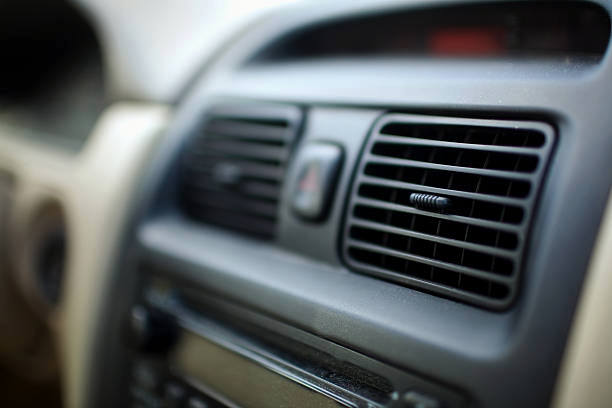
Few things are more frustrating than turning on your car’s air conditioner on a hot day and realizing it’s only blowing warm air. When your AC isn’t cooling properly, it usually points to a problem that can be fixed without costly repairs. From low refrigerant and a faulty compressor to clogged filters or electrical issues, several factors could be causing your AC to fail. In this guide, we’ll explain the main reasons your car AC isn’t blowing cold air and show practical steps to restore proper cooling.
Main Causes of Car AC Not Blowing Cold Air and How to Fix It
Below are the most common reasons your car AC may stop blowing cold air, along with practical fixes to restore proper cooling:
1. Low Refrigerant (Most Common Cause)
The most common reason a car AC stops blowing cold air is low refrigerant, also known as AC gas. Refrigerant is what cools the air inside your vehicle, and if it leaks or hasn’t been refilled for years, the system won’t perform properly. Signs of low refrigerant include the AC blowing only slightly cool air, gradual loss of cooling over time, faint hissing sounds, and the compressor cycling on and off frequently.
Fix: Have a qualified auto technician inspect your AC system. They can locate and repair any leaks and then recharge the refrigerant. Simply refilling the gas without fixing the leak is only a temporary solution and won’t solve the problem long-term.
2. Faulty AC Compressor
The AC compressor is the heart of your car’s cooling system. It circulates refrigerant to produce cold air, and if it fails, the AC won’t cool properly. Signs of a bad compressor include loud clicking or grinding noises, the AC clutch failing to engage, and warm air even after refilling the refrigerant.
Fix: Have a qualified mechanic inspect the compressor. If it’s damaged, replacement may be necessary. Avoid using the AC while the compressor is making loud noises, as this can cause further damage.
3. Clogged or Dirty Cabin Air Filter
A dirty cabin air filter restricts airflow and reduces cooling efficiency. While it may not completely stop the AC from producing cold air, it can make the system feel weak and less effective. Signs include reduced airflow from vents and a musty or stale smell inside the car.
Fix: Replace the cabin air filter regularly. It’s inexpensive and usually takes only a few minutes to change. Most manufacturers recommend replacing it every 12–15 months to maintain optimal AC performance.
4. Electrical Problems or Blown Fuse
Your car’s AC system relies on electrical components such as fuses, relays, and sensors. If one of these fails, the AC may stop cooling effectively. Signs include the AC not turning on, inconsistent cooling, or sudden loss of function.
Fix: Check the AC fuse in your car’s fuse box and replace it if blown. If the problem persists, a professional diagnostic check is needed to identify the faulty electrical component.
5. Cooling Fan Not Working
The AC condenser requires airflow to release heat. If the cooling fan is faulty, the system cannot cool properly, especially when the vehicle is stationary. You might notice the AC works while driving but becomes warm when idling.
Fix: Have a qualified technician inspect the radiator or condenser fan and replace any faulty motors as needed.
6. Blocked or Damaged Condenser
The condenser is located at the front of the car and allows heat to escape from the refrigerant. Dirt, debris, or physical damage can block the condenser and reduce cooling efficiency.
Fix: Clean the condenser to remove dirt and debris. Replace it if it is damaged to restore proper AC function.
7. Climate Control or Sensor Issues
Modern vehicles use sensors to regulate the AC temperature and airflow. If a sensor malfunctions, the system may blow warm air even when other components are working properly.
Fix: Run a diagnostic scan to identify faulty sensors and replace them as necessary to restore correct AC operation.
8. Blend Door or Thermostat Issues
Many cars use a blend door to control the mix of hot and cold air. If the door gets stuck or the thermostat malfunctions, the AC may blow warm air even if the compressor, refrigerant, and other components are fine.
Fix: This issue typically requires professional diagnosis and repair, as it involves internal HVAC components.
Also read: Why Your Car AC Only Cools When Driving Fast
How to Prevent AC Problems in Your Car
Preventing AC issues before they become serious can save you time and money. Here are some practical tips to keep your car’s air conditioning system running efficiently:
- Run your AC regularly: Even in cooler weather, running the AC at least once a week keeps the system lubricated and prevents seals from drying out.
- Replace the cabin air filter on schedule: A clean filter ensures proper airflow and maintains cooling efficiency.
- Address refrigerant leaks promptly: Low refrigerant reduces cooling performance and can damage the compressor if ignored.
- Service your AC system annually: Routine maintenance by a qualified technician can catch small issues before they become costly problems.
Regular upkeep not only keeps your AC blowing cold air but also extends the life of your system and reduces expensive repairs in the long run.
When to See a Mechanic
While some AC issues can be fixed easily, certain signs indicate that professional help is needed. Consult a qualified technician if you notice any of the following:
- The AC blows only warm air, even after trying basic checks.
- Strange noises, such as grinding, hissing, or clicking, come from the system.
- There is a bad or unusual smell coming from the vents.
- The AC works intermittently, turning on and off unexpectedly.
Ignoring these warning signs can lead to further damage to the AC system and higher repair costs. Early diagnosis and repair can save both money and stress in the long run.
Conclusion
A car AC that isn’t blowing cold air can be frustrating, but most issues are preventable or fixable. From low refrigerant and a faulty compressor to clogged filters or electrical problems, understanding the cause is the first step to restoring proper cooling. By following the practical tips and maintenance steps in this guide, you can keep your AC system running efficiently, avoid costly repairs, and enjoy a consistently cool and comfortable ride.
Frequently Asked Questions (FAQ)
1. Why does my car AC cool at first but then warm up after driving for a while?
If your AC starts cold but gradually warms up while driving, it may indicate issues with the condenser, cooling fan, or refrigerant levels. When the condenser is blocked or the fan isn’t functioning properly, heat cannot escape efficiently, causing the air to lose its chill. Similarly, low refrigerant can reduce the cooling effect as the system struggles to maintain pressure. Regular maintenance and timely inspections can prevent this problem.
2. Can a failing AC compressor damage other parts of my car?
Yes, a malfunctioning AC compressor can cause damage beyond the cooling system. If the compressor fails, it may strain the engine belt system, overheat the AC system, or lead to additional wear on the condenser and evaporator. Ignoring early warning signs like strange noises or clutch failure can result in more expensive repairs, so addressing compressor issues promptly is important for overall vehicle health.
3. How does a clogged cabin air filter affect AC performance?
A clogged or dirty cabin air filter restricts airflow, forcing the AC system to work harder and reducing cooling efficiency. This can lead to uneven airflow, weak cooling, and even musty odors inside the vehicle. Replacing the cabin air filter on schedule ensures proper ventilation, helps maintain consistent air temperature, and protects the AC system from unnecessary strain.
4. Could electrical issues in the AC system cause intermittent cooling?
Absolutely. Electrical components such as fuses, relays, or sensors play a critical role in regulating the AC system. If any of these components fail, the AC may work inconsistently or stop functioning altogether. Intermittent cooling can also indicate wiring issues or faulty switches. A professional diagnostic check is the best way to identify and fix electrical problems before they escalate.
5. What are the most important routine checks to prevent AC failure in cars?
Preventing AC problems requires regular maintenance and attention to key components. Essential checks include running the AC at least once a week to keep the system lubricated, replacing the cabin air filter according to manufacturer recommendations, inspecting the refrigerant levels, and servicing the AC system annually. Early detection of leaks, unusual noises, or reduced airflow can save both money and stress by avoiding major repairs.