
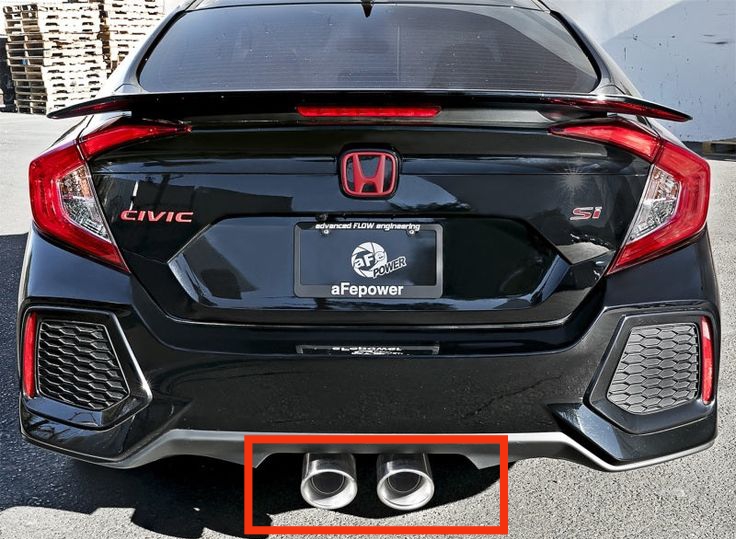
Upgrading a sports car exhaust is one of the most popular modifications among car owners. It’s not just about sound or looks—it’s about how the car performs. A good exhaust can improve airflow, reduce back pressure, sharpen throttle response, and even slightly boost horsepower. However, mistakes during installation or choosing the wrong system can cause problems. This guide will show you exactly how to upgrade your exhaust safely and effectively so your car performs and sounds its best.
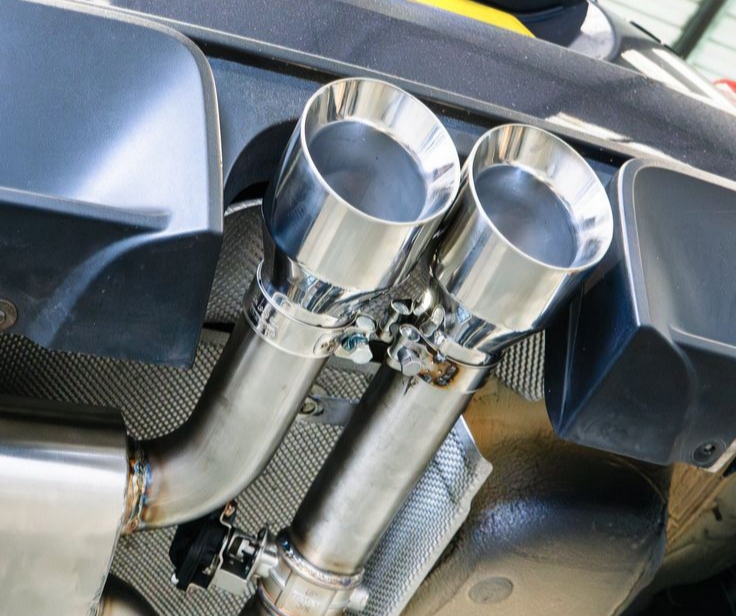
Why Upgrade Your Exhaust?
Before buying, be clear on your goal — upgrades aren’t one-size-fits-all. Ask yourself:
- Power: Do you want a slight horsepower boost from better airflow?
- Sound: Do you want a deeper note, or just louder? Loud isn’t always better.
- Weight: Are you looking for lighter materials like stainless steel or titanium for performance?
- Style: Do you want a sleek look, polished tips, or dual exhausts?
Tip: Don’t buy just because it looks or sounds “cool.” Choose an exhaust that fits your car, driving style, and needs.
Also read: Why Is My Car Overheating
Understand the Different Types of Exhaust Upgrades
Exhaust upgrades come in different styles depending on your goals — sound, performance, or appearance. Here are the main types:
1. Axle-Back Exhaust
This system replaces only the rear part of your exhaust, from the rear axle to the tip. It mainly changes the sound of your car and improves its look, without touching the engine or major components.
Pros:
- Easy to install
- Noticeable sound improvement
- Affordable
- Minimal mechanical work required
Cons:
- Limited performance gains
- Mostly aesthetic and acoustic
Best for: Beginners or anyone who wants better sound without modifying engine performance.
2. Cat-Back Exhaust
A cat-back exhaust replaces everything from the catalytic converter to the rear tip. It improves airflow, changes your car’s tone, and can give moderate performance gains, making it a well-rounded upgrade.
Pros:
- Improved airflow
- Noticeable sound enhancement
- Moderate performance gains
- Fits most sports cars with little modification
Cons:
- More expensive than axle-back
- May require minor adjustments for fitment
Best for: Drivers who want a balanced upgrade — better sound, moderate performance, and style.
3. Header/Downpipe Upgrade
This upgrade replaces the front section of the exhaust, from the engine to the mid-pipe. It maximizes performance gains and gives a louder, more aggressive exhaust note, but often requires professional installation and tuning.
Pros:
- Bigger performance gains
- Louder, more aggressive sound
- Optimized exhaust flow from the engine
Cons:
- Expensive
- Often needs professional installation and tuning
- Can affect emissions legality
Best for: Experienced enthusiasts or performance-focused builds.
Also read: How to Change oil in Car
Choosing the Right Material
Exhaust systems are made from different materials, each with its own pros and cons. Choosing the right one affects durability, weight, and performance.
- Aluminized Steel: Affordable and commonly used, but prone to rust over time, especially in wet or humid conditions.
- Stainless Steel: Durable, handles heat well, and lasts a long time. It’s resistant to corrosion and is the best value for most sports cars.
- Titanium: Extremely light and high-end, offering performance benefits and a unique look, but comes at a high cost.
Tip: For a long-lasting sports car exhaust that balances performance and durability, stainless steel is usually the sweet spot.
Check Local Regulationst
Before upgrading your exhaust, it’s important to ensure your modifications are legal. Overly loud or non-compliant exhaust systems can:
- Fail inspections during vehicle checks
- Attract police attention for noise violations
- Result in fines or penalties
Even in areas without strict testing, consider neighborhood noise and daily driving comfort. An exhaust that sounds amazing on the track but is unbearable on city streets will quickly become a headache. A well-chosen exhaust balances sound, performance, and daily usability.
Decide DIY or Professional Installation
Some exhaust systems, like axle-back and cat-back, are straightforward enough for a home mechanic to install and usually only require basic tools. However, if your upgrade involves welding, precise alignment, or custom fitment, it’s best to let a professional handle it. Poor installation can lead to exhaust leaks, rattling or vibrations, and even reduced engine performance. Tip: A clean, professional installation is worth the extra cost as it ensures safety, performance, and long-term reliability.
Consider ECU Tuning
Advanced exhaust upgrades, like headers or high-flow catalytic converters, can change airflow significantly.Without tuning:
- Full performance gains might not be realized
- Check engine lights may appear
- Air-fuel ratios may not be optimized
Tuning ensures the engine runs efficiently and safely with the new system. Tip: If you want maximum performance and reliability, ECU tuning is an essential step after major exhaust upgrades.
What Performance Gains Can You Expect?
Realistically, exhaust upgrades provide modest but noticeable improvements:
- Cat-back exhaust alone: 5–15 horsepower increase, better throttle response, and improved exhaust flow
- Headers + cat-back: Higher performance gains with a louder, deeper sound
- Full system + tuning: Maximum performance for naturally aspirated or turbocharged sports cars
Tip: Exhaust upgrades alone won’t create massive horsepower. They work best as part of a complete performance package, including intake improvements and proper engine tuning.
Common Mistakes to Avoid
Below are Common Mistakes to Avoid:
1. Choosing the loudest exhaust instead of the best-flowing one
2. Ignoring highway drone noise, which can make long drives uncomfortable
3. Buying cheap systems that rust or fail quickly
4. Installing without replacing gaskets or hangers, leading to leaks or rattles
5. Ignoring fitment for your specific car model, which can cause misalignment or poor performance
How Much Does It Cost?
Costs for exhaust upgrades vary depending on the type and brand:
- Axle-back: Moderate price, usually the most affordable option
- Cat-back: Higher price, but offers better sound and performance
- Headers or full system: Expensive, especially high-end or performance-focused brands
- Installation + tuning: Additional cost, necessary for proper fitment and optimal performance
Tip: Cheap systems may save money upfront, but they can lead to more repairs or replacements later. Investing in quality parts and professional installation often pays off in the long run.
Also read: What Vehicles Are Made in the USA in 2026? Full List of Cars, SUVs, Trucks & EVs
Conclusion
Upgrading a sports car exhaust can transform your car’s sound, performance, and overall driving experience, but it requires careful planning. Choosing the right type of system, material, and installation method, while considering local regulations and tuning needs, ensures you get the best results without costly mistakes. Focus on quality parts, proper fitment, and realistic performance expectations, and your upgraded exhaust will deliver lasting enjoyment, improved airflow, and a sound that matches your driving style.
Frequently Asked Questions
1. Will upgrading my exhaust void my car warranty?
It depends on your car and the type of upgrade. Minor upgrades like axle-back systems usually don’t affect warranties, but full-system modifications or anything requiring engine tuning could. Always check your manufacturer’s policy before making changes to avoid surprises.
2. How long does it take to install a new exhaust system?
Installation time varies based on the system type. Axle-back systems can often be installed in 1–2 hours, cat-back systems might take 3–4 hours, and full header or downpipe upgrades can take several hours, especially if welding or tuning is required.
3. Can I still pass emissions testing after upgrading my exhaust?
Yes, if the components meet local emissions standards. Cat-back systems are usually safe, but removing or modifying catalytic converters can cause failures. Always confirm local regulations and choose compliant parts.
4. Will a louder exhaust affect fuel efficiency?
A properly installed exhaust system typically has minimal impact on fuel efficiency. Performance gains come from better airflow, not increased fuel consumption. However, aggressive driving to enjoy the sound may reduce mileage.
5. How do I know if my exhaust upgrade is worth the investment?
Consider your goals: improved sound, better performance, or visual appeal. If you want noticeable gains in airflow and throttle response without major engine work, a quality cat-back or axle-back system is usually the best value. Combining it with proper tuning maximizes both performance and enjoyment.