

Changing your car’s engine oil is one of the most important maintenance tasks that every vehicle owner should be familiar with. Regularly replacing your engine oil not only helps extend the life of your engine but also improves fuel efficiency, reduces wear and tear on moving parts, and ensures smooth overall vehicle performance. For beginners and DIY enthusiasts alike, knowing how to properly change your car’s oil can save you a significant amount of money while preventing potential costly repairs down the road. A well-lubricated engine runs cooler, performs better, and can avoid common issues caused by dirty or degraded oil. In this comprehensive guide, we’ll take you through each step of the oil change process, explain why it’s so crucial for your vehicle’s health, and share useful tips to help you keep your engine operating at its best, ensuring reliability and longevity.
Why Is Engine Oil Important for Your Car?
Engine oil plays a vital role in keeping your vehicle running smoothly and efficiently. It works by lubricating all the moving components inside your engine, which helps reduce friction and wear. Without proper lubrication, those internal parts could grind against each other, leading to serious mechanical issues and costly repairs.
Over time, however, engine oil begins to degrade. As you drive, the oil collects contaminants like dust, metal particles, and other debris from within the engine. This buildup can reduce the oil’s ability to lubricate effectively. That’s why replacing your engine oil at regular intervals is crucial—it ensures your engine remains clean, well-lubricated, and capable of performing at its best.
How Often Should You Change Your Car’s Oil?
The frequency of oil changes depends on several factors, including your vehicle’s make, model, age, and your driving habits. While some drivers may need more frequent changes due to heavy city driving or extreme weather conditions, others with modern vehicles and gentle driving patterns may go longer between changes. Maintaining a consistent oil change schedule is one of the simplest and most effective ways to keep your engine healthy and prolong the overall life of your car. As a general rule, most vehicles should have their engine oil replaced every 5,000 to 7,500 miles. If your car uses high-performance fully synthetic oil, some manufacturers allow intervals up to 15,000 miles, depending on usage. To be certain of the best schedule for your specific vehicle, always consult your car’s owner’s manual—it provides the recommended oil type, change interval, and additional guidance based on your engine’s requirements. Following these guidelines not only helps your engine run efficiently but also reduces the risk of costly repairs and keeps your vehicle performing at its peak.
Key Signs Your Car Needs an Engine Oil Change
Your vehicle often gives you clear warning signs when it’s time for an engine oil change—you just need to know what to look out for. Ignoring these early indicators can lead to poor engine performance, reduced fuel economy, and even costly damage. Below are some of the most common and important symptoms that your car might be due for an oil change:
1. Oil Appears Dark and Dirty
Fresh engine oil typically has a light amber or golden hue, signaling that it’s clean and fully effective at lubricating your engine. Over time, however, the oil darkens as it picks up dirt, carbon deposits, and other microscopic debris from the engine’s internal components. When you check your oil using the dipstick, pay close attention to its color and texture—if it appears thick, black, or gritty, it’s a clear indication that the oil has degraded and needs to be replaced. Regularly inspecting the oil not only helps you identify when it’s time for a change but also plays a crucial role in maintaining smooth engine performance, preventing unnecessary wear, and extending the overall life of your vehicle.
2. Louder Engine Noises or Unusual Sounds
Engine oil serves as both a lubricant and a protective cushion between moving components inside your engine. When the oil becomes old, dirty, or runs low, it loses its ability to reduce friction effectively. As a result, the metal parts start rubbing more directly against each other, producing louder or unusual noises. If you notice knocking, ticking, tapping, or other abnormal sounds coming from your engine, it’s often a clear sign that your oil is no longer doing its job. Ignoring these warnings can accelerate engine wear, reduce performance, and even lead to costly repairs. Changing your oil promptly helps restore proper lubrication, keeps your engine running quietly, and ensures smoother, more efficient operation.
3. Drop in Fuel Efficiency
If you’ve noticed that your car is consuming more fuel than usual, the condition of your engine oil could be the culprit. Engine oil that is old, dirty, or degraded loses its ability to lubricate efficiently, causing increased friction among engine components. This extra effort makes your engine work harder, which in turn reduces fuel efficiency. Over time, consistently running your car on poor-quality oil can lead to higher fuel consumption and added stress on the engine. Paying attention to changes in mileage and refueling frequency can help you catch this early, and performing a timely oil change ensures your engine runs smoothly while optimizing fuel economy.
4. Dashboard Warning Lights Are On
Today’s cars come with sophisticated sensors and monitoring systems designed to alert you when something is wrong with your engine. If you notice your dashboard displaying an oil can symbol, a “Check Engine” message, or a “Change Oil Soon” warning, it’s important not to ignore it. These signals indicate that your oil level may be low or that the oil quality has deteriorated, which can affect engine performance and longevity. Responding promptly by checking your oil and performing an oil change if needed can prevent serious damage, keep your engine running efficiently, and avoid costly repairs down the line.
How to Change your Car’s Oil
Tools You’ll Need to Change Your Car Oil
Before diving into the oil change, make sure you have the necessary tools:
- Oil filter wrench
- Wrench or socket set
- Oil drain pan
- Funnel
- New engine oil (check the recommended oil type and quantity in your car’s manual)
- New oil filter
- Gloves (optional, but recommended for a clean job)
Before you begin draining the oil, it’s a good idea to start your car and let the engine run for a few minutes. This helps to slightly warm up the oil, making it thinner and easier to drain. It also helps loosen any dirt or particles that may have settled in the engine. After warming it up, you can proceed with the oil change by following these easy steps.
1. Prepare Your car and Safely Lift It
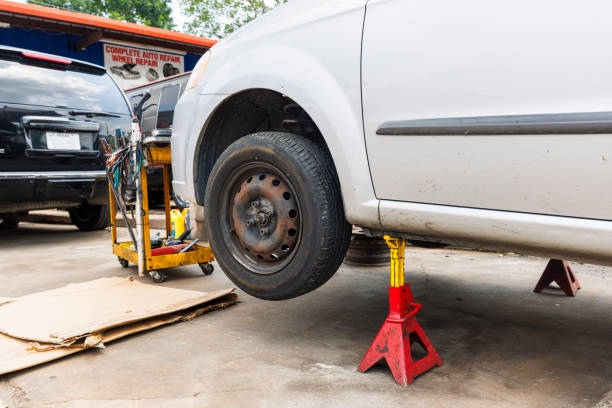
Before you begin any oil change or maintenance work under the vehicle, make sure your car is securely parked on a flat, level surface. Double-check that the engine is turned off, and for your own safety, allow the engine to cool down for at least 10 to 15 minutes. This cooling period helps reduce the risk of burns from hot engine parts or oil. Once the engine has had time to cool, use a reliable car jack and jack stands to safely lift the vehicle. Raising the car properly will give you enough room underneath to comfortably reach the oil drain plug and other necessary components. Always ensure the jack stands are firmly in place before crawling under the vehicle safety should always be your top priority.
2. Locate the Oil Drain Plug
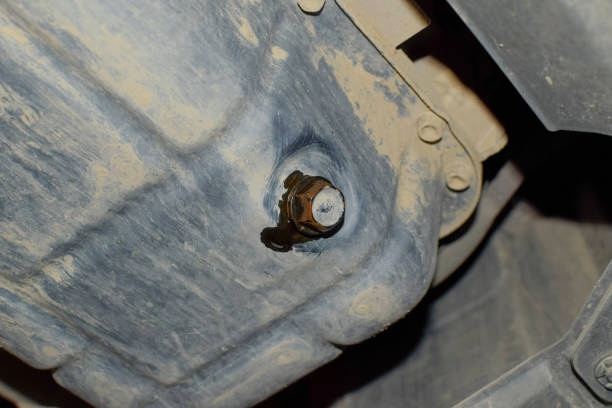
After you’ve prepared your vehicle and ensured it’s safely lifted with a jack and jack stands, carefully slide underneath the car. Look for the oil drain plug—this is usually a large bolt located at the bottom of the engine oil pan. Once you’ve located it, position your oil catch pan directly underneath the plug to avoid any mess when the oil starts to drain.
3. Drain the Old Oil
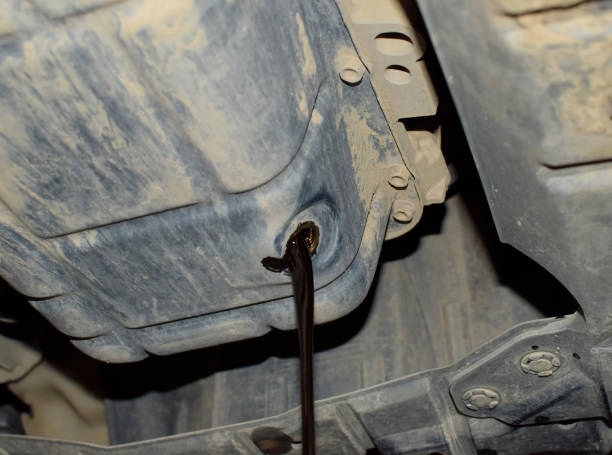
Using the correct size wrench, carefully loosen and remove the oil drain plug to allow the old engine oil to flow out completely into the drain pan. Make sure the pan is positioned properly to catch all the oil. It’s important to be patient during this process—let the oil drain fully, which typically takes around 10 minutes. For best results, you can gently rock the car or slightly adjust its position to help any remaining oil escape from the engine sump.
4. Remove and Replace the Oil Filter
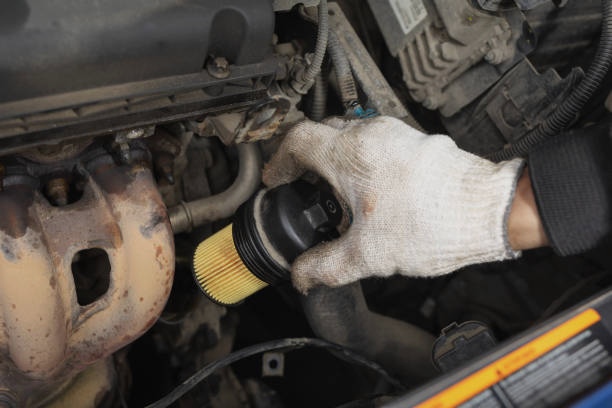
While the oil is draining, locate the oil filter. Using an oil filter wrench, unscrew the filter and dispose of it properly. Make sure to lubricate the rubber seal of the new oil filter with a small amount of fresh oil, then screw it in place by hand. Tighten it gently to avoid damaging it.
5. Replace the Oil Drain Plug
After you’ve allowed all the old engine oil to drain out completely, take a clean cloth to wipe around the drain hole, then carefully reinstall the oil drain plug by hand to ensure it threads in smoothly. Once it’s properly aligned, use a wrench to tighten it firmly but be cautious not to over-tighten, as this can damage the threads or cause oil leaks later on. A secure fit is essential to maintaining your engine’s proper oil pressure and preventing future issues.
6. Add New Oil
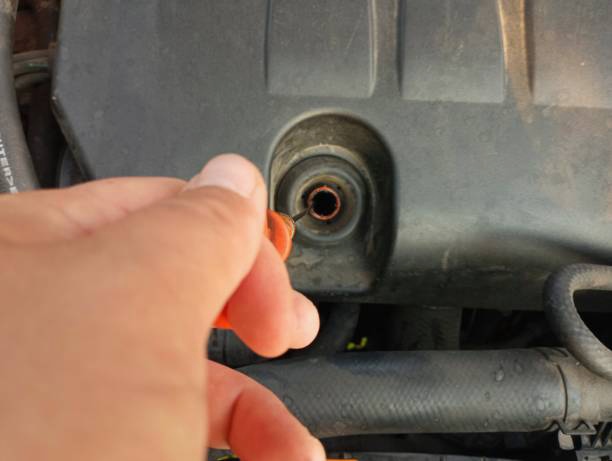
With the old oil completely drained and the drain plug securely in place, it’s time to refill your engine with fresh oil. Open the oil filler cap located at the top of your engine and place a clean funnel into the opening to prevent spills. Slowly pour in the recommended type and grade of engine oil—start with about three-quarters of the total amount specified for your vehicle. To avoid overfilling, pause to check the oil level using the dipstick. Refer to your car owner’s manual to confirm the correct oil capacity and ensure you’re adding the proper amount for optimal engine performance and protection.

7. Check the Oil Level
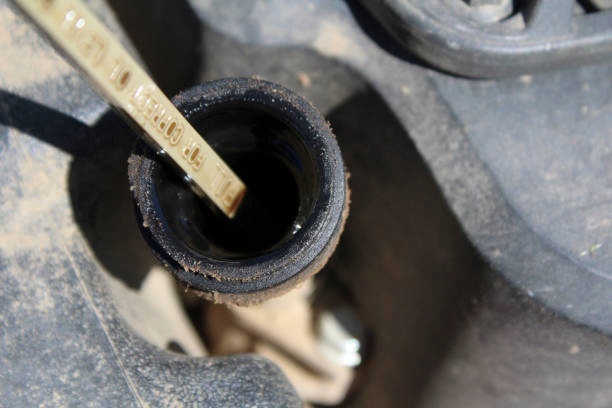
Once you’ve added the new engine oil, start your vehicle and let the engine idle for about a minute. This helps the fresh oil circulate through the engine’s internal components, lubricating moving parts and filling the oil filter. After running the engine briefly, turn it off and wait at least 3 to 5 minutes to allow the oil to settle back into the oil pan. Then, use the dipstick to recheck the oil level. If it appears low, gradually add more oil—being careful not to overfill—until the level reaches the full mark. This step is crucial for maintaining proper lubrication and ensuring your engine runs smoothly and efficiently.
8. Dispose of Old Oil Properly
Don’t overlook the importance of properly disposing of your used engine oil—this is a critical step in the oil change process and essential for protecting the environment. After the oil has finished draining, carefully pour it into a clean, leak-proof container with a secure lid, such as the original oil bottle or a designated oil disposal jug. Never pour old oil down the drain, into the trash, or onto the ground. Instead, take it to a certified recycling center or a local auto parts store—many of them offer free oil recycling services. Responsible oil disposal not only keeps hazardous waste out of landfills and waterways but also helps keep your community and the environment safe.

Smart Tips to Maintain Your Engine and Extend Its Lifespan
Maintaining a healthy engine isn’t just about changing the oil regularly; it’s about taking a proactive approach to overall vehicle care. Your engine works hard every day, and small habits can make a big difference in preventing costly repairs, improving fuel efficiency, and extending your car’s life. With consistent attention, you can ensure your engine performs smoothly and reliably for years to come. Here are some practical tips every car owner should follow between oil changes to keep their engine in top condition:
1. Monitor Your Engine Oil Level Regularly
One of the easiest and most impactful ways to safeguard your engine is by keeping a close eye on your oil level. Use the dipstick to check it at least once a week, or more often if you drive frequently or under harsh conditions. If you notice the oil level is approaching the minimum mark, add the recommended type of oil for your vehicle. Regular monitoring helps prevent unnecessary engine wear, ensures proper lubrication of internal parts, and can even extend the intervals between full oil changes. By developing this simple habit, you can catch minor issues early, avoid potential damage, and keep your engine running smoothly over time.
2. Maintain a Consistent Oil Change Schedule
Sticking to a regular oil change routine is one of the most important habits for keeping your engine healthy and performing at its best. Check your car’s owner’s manual to find the manufacturer-recommended oil change interval, which is typically based on mileage or time. Following this schedule consistently ensures that your engine stays properly lubricated, reduces wear and tear on moving parts, and helps maintain optimal fuel efficiency. Skipping or delaying oil changes can lead to sludge buildup, overheating, and decreased engine performance. By adhering to a routine, you not only extend the life of your engine but also avoid costly repairs down the road.
3. Always Use High-Quality Engine Oil
The type of engine oil you use can have a significant impact on your car’s performance and longevity. Opting for high-quality oils, like Gulf car engine oil, helps protect your engine from sludge buildup, reduces friction and wear on critical components, and ensures smooth operation even in extreme temperatures. Premium oils also maintain their viscosity longer, providing consistent lubrication and helping your engine run more efficiently. Using the right oil regularly not only enhances performance but can also prevent costly repairs and extend the overall life of your vehicle.
4. Keep an Eye Out for Oil Leaks
Regularly inspecting the area where you park your vehicle can help you spot potential problems early. Look for puddles, dark spots, or oily stains under the car, as these may indicate a slow or active oil leak. Even minor leaks shouldn’t be ignored, because over time they can lead to oil starvation, reduce lubrication efficiency, or cause the engine to overheat. By addressing leaks promptly, you can prevent costly damage, maintain proper engine performance, and ensure your car continues running safely and smoothly.
5. Follow Your Manufacturer’s Guidelines
Your vehicle’s manufacturer knows your engine better than anyone else. Always stick to the recommended oil type, viscosity, and maintenance schedule outlined in your owner’s manual. Using the correct oil and following the suggested intervals ensures your engine receives the proper protection, runs efficiently, and avoids unnecessary wear. Ignoring these specifications may seem convenient, but it can lead to reduced engine life, decreased fuel efficiency, and costly repairs over time. By following the manufacturer’s instructions, you keep your car performing at its best while safeguarding your investment.
Conclusion
Maintaining your car’s engine through regular oil changes is one of the simplest yet most effective ways to protect your investment and ensure long-term performance. By paying attention to key signs like dirty oil, unusual engine noises, decreased fuel efficiency, or dashboard warnings, you can address potential issues before they turn into costly repairs. Coupled with consistent maintenance habits—such as monitoring oil levels, using high-quality engine oil, and following your manufacturer’s guidelines—you can keep your engine running smoothly, efficiently, and reliably for years. Taking these steps not only enhances your car’s performance and fuel economy but also provides peace of mind knowing your vehicle is in optimal condition. A little attention to your engine today can save you significant time, money, and hassle in the future, making regular oil care an essential part of responsible car ownership.
Frequently Asked Questions (FAQs)
1. What type of engine oil should I use for my car?
Selecting the right engine oil is crucial for your car’s performance, longevity, and fuel efficiency. Your vehicle’s owner manual will provide the recommended oil type, grade, and viscosity suitable for your engine. Using high-quality oil, especially synthetic options, helps reduce friction, prevent sludge buildup, and protect internal engine components from excessive heat. The correct oil ensures smoother operation, better mileage, and can even improve performance under extreme weather or heavy driving conditions.
2. How can I tell if my engine oil needs changing?
There are several signs that indicate your engine oil is due for a change. Fresh oil is typically amber and smooth, but over time it darkens and collects dirt, debris, and carbon particles. You may notice it becoming thick, gritty, or having a burnt smell. Additionally, unusual engine noises, a decrease in fuel efficiency, or dashboard warning lights can all indicate that your oil is no longer performing effectively. Regularly checking your oil’s appearance and level can help you prevent costly engine repairs and maintain smooth performance.
3. What should I do if I notice oil leaks in my car?
Oil leaks are a warning sign that your engine’s lubrication system may be compromised. Even a small leak can reduce oil levels, increase friction, and potentially cause engine overheating. Look for puddles or dark stains under your car after it has been parked. If you spot a leak, inspect it carefully or have a professional check it as soon as possible. Promptly addressing leaks ensures proper engine lubrication, avoids expensive repairs, and helps maintain your vehicle’s efficiency and reliability.
4. How often should I check my engine oil?
It’s recommended to check your engine oil at least once a week, or more frequently if you drive in heavy traffic, extreme weather, or long distances regularly. Consistent checks help you monitor oil levels, spot leaks early, and ensure your engine is properly lubricated. This simple routine can prevent engine wear, maintain smooth performance, and extend the overall lifespan of your vehicle, saving you from potential costly repairs in the future.
5. Can using the wrong type of oil harm my engine?
Yes, using an incorrect oil type or viscosity can significantly impact engine performance and longevity. Incompatible oil may reduce lubrication efficiency, increase internal wear, lower fuel economy, and even lead to overheating. Following your car manufacturer’s recommendations ensures optimal engine protection, smooth operation, and long-term reliability. High-quality oils suitable for your vehicle also help maintain performance under heavy loads and extreme temperatures, keeping your engine running efficiently.
6. How should I dispose of used engine oil safely?
Used engine oil contains harmful substances and must never be poured down drains, on the ground, or into trash bins. Collect the old oil in a clean, sealed container and take it to a certified recycling center, local auto parts store, or service station that accepts used oil. Proper disposal not only protects the environment—preventing soil and water contamination—but also ensures compliance with local regulations. Responsible handling of old oil helps preserve natural resources while supporting safe and eco-friendly vehicle maintenance practices.